A horizontal milling machine is a versatile and powerful tool in the manufacturing industry. As a supplier of horizontal milling machines, I’ve witnessed firsthand the wide range of operations these machines can perform. In this blog, I’ll delve into the various types of operations that can be carried out on a horizontal milling machine, highlighting their importance and applications. Horizontal Milling Machine
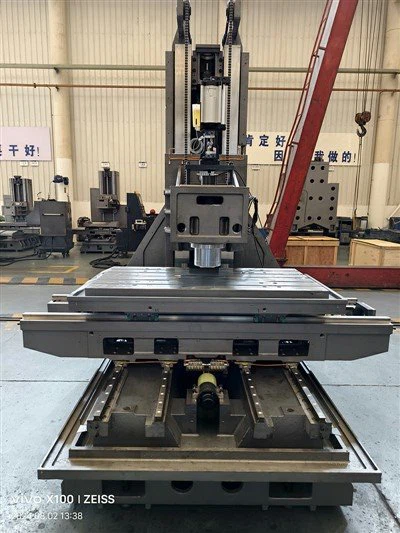
Face Milling
Face milling is one of the most common operations performed on a horizontal milling machine. It involves using a face mill cutter to remove material from the surface of a workpiece, creating a flat and smooth finish. The face mill cutter typically has multiple cutting edges arranged in a circular pattern, allowing for efficient material removal.
This operation is ideal for creating large, flat surfaces on workpieces, such as the tops of machine parts or the faces of molds. It can also be used to machine the sides of workpieces, providing a precise and accurate finish. Face milling is commonly used in industries such as automotive, aerospace, and general machining.
Peripheral Milling
Peripheral milling, also known as side milling, is another important operation on a horizontal milling machine. In this process, the cutting edges of the milling cutter are located on the periphery of the cutter, and the cutter rotates while the workpiece is fed into it. This allows for the removal of material from the sides of the workpiece, creating a flat or contoured surface.
Peripheral milling can be used to create slots, grooves, and keyways in workpieces. It is also useful for machining the sides of parts to achieve the desired dimensions and tolerances. This operation is commonly used in the production of gears, shafts, and other mechanical components.
Slot Milling
Slot milling is a specialized operation that involves cutting narrow slots or grooves in a workpiece. This is typically done using a slot mill cutter, which has a narrow cutting edge that can be used to create slots of various widths and depths.
Slot milling is commonly used in the manufacturing of parts such as keyways, splines, and slots for electrical connectors. It is also useful for creating channels or recesses in workpieces for the installation of components or for routing cables.
Drilling
Although horizontal milling machines are primarily designed for milling operations, they can also be used for drilling. By using a drill bit in the milling machine’s spindle, holes can be drilled in the workpiece. This is useful for creating holes for fasteners, bearings, or other components.
Drilling on a horizontal milling machine offers several advantages over traditional drilling machines. The precision and stability of the milling machine allow for more accurate hole placement and better control over the drilling process. Additionally, the ability to use different cutting tools and feeds and speeds makes it possible to drill holes of various sizes and depths.
Boring
Boring is a machining operation that involves enlarging an existing hole in a workpiece. This is typically done using a boring bar, which is a cutting tool that is inserted into the hole and rotated while the workpiece is held stationary.
Boring on a horizontal milling machine is useful for achieving precise hole diameters and surface finishes. It can be used to machine holes for bearings, bushings, and other components that require a high level of accuracy. Boring can also be used to correct any inaccuracies in the original hole or to create a stepped or tapered hole.
Thread Milling
Thread milling is a process of creating threads on a workpiece using a milling cutter. This is an alternative to traditional threading methods, such as tapping or die threading. Thread milling offers several advantages, including the ability to create threads of various sizes and pitches, as well as the ability to machine threads in difficult-to-reach locations.
On a horizontal milling machine, thread milling can be performed using a thread milling cutter. The cutter is programmed to follow a specific path to create the desired thread profile. This operation is commonly used in the production of threaded fasteners, such as bolts and nuts, as well as in the manufacturing of parts with internal or external threads.
Gear Cutting
Horizontal milling machines can also be used for gear cutting. By using specialized gear-cutting cutters, gears of various types and sizes can be machined on the milling machine. This includes spur gears, helical gears, bevel gears, and worm gears.
Gear cutting on a horizontal milling machine offers several advantages over other gear-cutting methods. It allows for greater flexibility in terms of gear design and can produce gears with high precision and accuracy. Additionally, the ability to use different cutting tools and feeds and speeds makes it possible to optimize the gear-cutting process for different materials and applications.
Taper Milling
Taper milling is a process of creating a tapered surface on a workpiece. This is typically done using a taper milling cutter, which is designed to cut at an angle to create the desired taper. Taper milling can be used to create tapers on shafts, cones, and other components.
Taper milling on a horizontal milling machine is useful for achieving precise taper angles and surface finishes. It can be used in a variety of applications, such as in the manufacturing of machine tools, automotive parts, and aerospace components.
Contour Milling
Contour milling is a process of machining a workpiece to create a complex shape or contour. This is typically done using a ball-nose end mill or a contouring cutter. The cutter is programmed to follow a specific path to create the desired shape.
Contour milling on a horizontal milling machine is useful for creating parts with complex geometries, such as molds, dies, and prototypes. It allows for the production of parts with high precision and accuracy, and can be used to create parts with smooth and flowing surfaces.
Conclusion
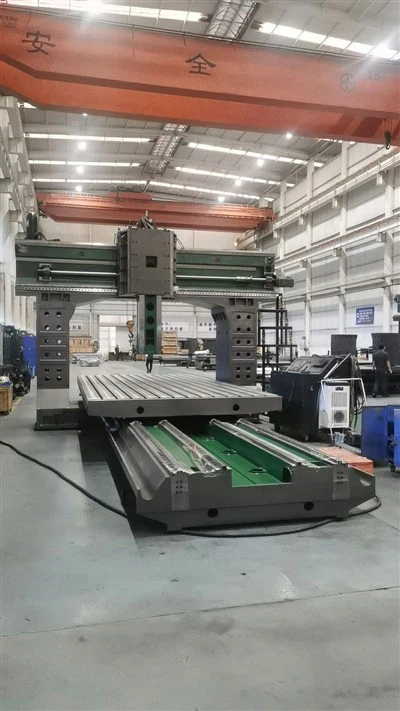
As a supplier of horizontal milling machines, I can attest to the versatility and power of these machines. They are capable of performing a wide range of operations, from simple face milling to complex gear cutting and contour milling. Whether you’re in the automotive, aerospace, or general machining industry, a horizontal milling machine can be a valuable addition to your manufacturing process.
XY Linear Way Vertical Machining Center If you’re interested in learning more about the capabilities of our horizontal milling machines or would like to discuss your specific machining needs, please don’t hesitate to contact us. We’re here to help you find the right solution for your business.
References
- "Machining Handbook" by Industrial Press
- "Modern Manufacturing Technology" by Stephen A. Miller
- "CNC Programming Handbook" by Peter Smid
Smartech Machinery & Equipment Co., Ltd.
As one of the most professional horizontal milling machine machine manufacturers and suppliers in China, we also support customized service. Please rest assured to buy bulk horizontal milling machine machine made in China here from our factory. Contact us for more details.
Address: Room 2832, Changping Commercial Mansion, Shihua Road, Futian Free Trade Zone, Shenzhen, China
E-mail: smartech@smartechcnc.cn
WebSite: https://www.smartech-cnc.com/
