Hey there! I’m a supplier of PLA products, and today I wanna chat about how these products affect indoor air quality. You might be wondering, "What the heck is PLA?" Well, PLA stands for polylactic acid, and it’s a type of biodegradable plastic made from renewable resources like corn starch or sugarcane. It’s been gaining popularity in recent years because it’s more eco – friendly compared to traditional plastics. Pla Products
The Basics of PLA Products
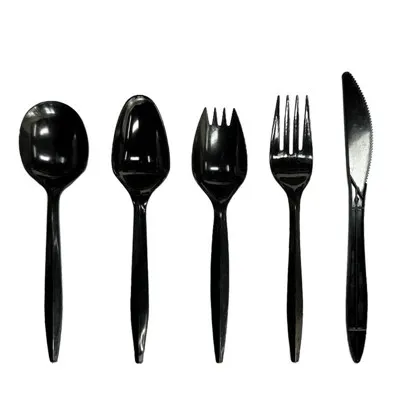
First off, let’s talk about what kinds of PLA products are out there. You’ve got PLA disposable cutlery, straws, food containers, and even some types of 3D – printing filaments. These products are used in homes, offices, restaurants, and all sorts of indoor spaces.
One of the big selling points of PLA is that it’s supposed to be "green." Since it’s made from natural materials, it breaks down much faster than regular plastics. But when it comes to indoor air quality, we need to dig a bit deeper.
The Good Stuff: Positive Impact on Indoor Air
Low VOC Emissions
Volatile Organic Compounds, or VOCs, are chemicals that can evaporate into the air at room temperature. A lot of traditional plastics and synthetic materials release high levels of VOCs, which can cause all sorts of problems like headaches, eye irritation, and even long – term health issues.
PLA products generally have lower VOC emissions compared to many other plastics. This is a huge plus for indoor air quality. When you use PLA disposable cutlery or food containers in your home or office, you’re not bombarding the air with a bunch of harmful chemicals. It means that the air you’re breathing is cleaner and healthier.
Biodegradability and Freshness
Since PLA is biodegradable, it doesn’t sit around in landfills for hundreds of years. And in an indoor setting, it also means that there’s less chance of it releasing funky odors over time. Traditional plastics can sometimes start to smell bad as they break down, especially if they’re exposed to heat or moisture. But PLA, being more natural, tends to stay fresh – smelling. This contributes to a more pleasant indoor environment and better air quality.
The Not – So – Good Stuff: Potential Negative Impact
Temperature Sensitivity
PLA has a relatively low melting point. When it gets too hot, it can start to break down and release small particles into the air. For example, if you leave a PLA food container in a very warm room or near a heat source, the plastic might start to warp and emit some fumes. These fumes aren’t usually extremely harmful, but they can still affect the air quality in a negative way. You might notice a strange smell, and in some cases, it could cause mild irritation to your respiratory system.
Additives and Processing
Sometimes, manufacturers add other chemicals to PLA to improve its properties. These additives can include plasticizers, colorants, and stabilizers. While these substances are generally considered safe, they can still release VOCs or other potentially harmful substances into the air. For instance, some colorants used in PLA products might have trace amounts of heavy metals or other contaminants. If these are released into the air, they can pose a risk to indoor air quality and human health.
How to Minimize the Negative Impact
Proper Storage
To prevent the temperature – related issues, it’s important to store PLA products in a cool, dry place. Don’t leave them in direct sunlight or near heaters. This way, you can avoid the breakdown of the plastic and the release of fumes.
Choose High – Quality Products
When you’re buying PLA products, make sure to choose ones from reputable suppliers. High – quality PLA products are less likely to have a lot of additives or contaminants. Look for products that have been tested and certified to meet certain safety standards.
Real – World Examples
I’ve had customers tell me about their experiences with PLA products and indoor air quality. One restaurant owner switched from traditional plastic cutlery to PLA cutlery. He noticed that the air in his dining area smelled fresher, and his customers didn’t complain about any strange odors. Another customer, a home user, said that after using PLA food containers, she didn’t have that plastic – like smell in her kitchen anymore.
On the flip side, I also heard from a customer who left a PLA 3D – printing filament in a hot garage. When they tried to use it later, there was a strong, unpleasant smell in the room where they were printing. This shows that proper storage is really important.
Conclusion

Overall, PLA products can have a positive impact on indoor air quality. Their low VOC emissions and biodegradability make them a better choice compared to many traditional plastics. However, we also need to be aware of the potential negative effects, like temperature – related breakdown and the presence of additives.
Pet Plastic Cup If you’re interested in improving your indoor air quality and want to start using PLA products, I’d love to chat with you. Whether you’re a business owner looking to switch to more eco – friendly options or a homeowner who wants to make a greener choice, I can provide you with high – quality PLA products that meet your needs. Let’s have a conversation about how we can work together to make your indoor spaces healthier and more sustainable.
References
- "Indoor Air Quality and Volatile Organic Compounds." Environmental Protection Agency.
- "Biodegradable Plastics: Properties and Applications." Journal of Polymer Science.
- "The Impact of Temperature on Polylactic Acid (PLA) Degradation." Polymer Degradation and Stability.
Shandong Microtec Technology Co., Ltd.
As one of the most professional pla products manufacturers and suppliers in China, we’re featured by quality products and good price. Please rest assured to buy bulk high-grade pla products from our factory. Contact us for pricelist and quotation.
Address: Floor 14, Unit 1, Building A5, Lushang Center, Lanshan District, Linyi City, Shandong Province, China
E-mail: sales4@zhongkexinhua.com
WebSite: https://www.sdmicrotec.com/
