Hey folks, if you’ve ever worked with industrial materials—like for injection molding, extrusion, or even durable consumer goods—chances are you’ve heard the term TPU thrown around. But what actually is it, and how does it do all the wild stuff it does (like being stretchy enough to pull twice its length, tough enough to take a fall, and chemical-resistant enough to hold up under hot, harsh conditions)? As a TPU supplier who’s been messing with this stuff for 12 years now, I get that most folks just want the plain, no-nonsense breakdown without all the textbook jargon. So let’s cut through the noise, no AI BS, just real talk about how TPU actually works. TPU
First off, let’s get one basic truth out of the way: TPU isn’t some random plastic. It’s a thermoplastic polyurethane, which is a fancy way of saying “it’s a plastic that melts when heated (thermoplastic) and it’s made from urethane bonds.” Wait, urethane—you might’ve heard that term in foam, right? But TPU is way different from that squishy couch foam. The secret to TPU’s superpowers is its molecular structure, plain and simple. Let’s break that down like we’re talking about Legos, because that’s the easiest way to get it. Every TPU molecule is a block copolymer, which means it’s made of two types of blocks that are chemically stuck together, but they hate mixing with each other.
You’ve got soft segments (let’s call these the “elastic blocks”) and hard segments (the “rigid blocks”). The elastic blocks are usually made from things like polyesters or polyethers—think stretchy rubber. The hard segments come from diisocyanates and chain extenders, right? These are like the strong, slightly sticky pieces that want to hold on tight. Now, when the TPU is cool and not under pressure, these two types of blocks separate into little domains—like tiny clusters of hard blocks scattered throughout the soft rubbery matrix. That’s key. The hard domains act like physical crosslinks, kinda like how a zipper keeps two pieces of fabric together, but on a molecular level. They stop the soft blocks from just sliding apart when you stretch the TPU, and when you let go, the hard domains snap back into place, pulling the soft blocks with them. That’s why TPU bounces back way better than, say, PVC or even some rubbers.
Wait, let’s test that with an example. If you take a TPU sheet and stretch it 200% (so it’s twice as long as it is right now), the soft blocks straighten out, and the hard domains shift a bit, but they don’t break. When you release the tension, the hard domains go back to their original cluster shape, and the soft blocks recoil. No permanent stretch (well, not if you don’t stretch it too far—we’re talking normal use, not trying to turn a TPU keychain into a bungee cord). That’s the magic of the structure. Compare that to regular rubber, which uses sulfur crosslinks (chemical bonds that hold the molecules together permanently). Those work great for tires, but they can’t be melted and reshaped—once you vulcanize rubber, it’s set forever. TPU? It’s thermoplastic, so you can melt it down, re-extrude it, injection mold it, whatever. That’s why it’s such a workhorse for manufacturing.
Now, let’s get into the properties that make TPU so versatile, because I’ve seen it used for everything from phone cases that don’t crack when you drop them, to conveyor belts that carry hot food, to medical tubing that goes inside the body. Let’s tie each property back to that molecular structure we just talked about.
First, elasticity and resilience. The hard domains don’t just hold things together—they also help with energy return. If you bounce a TPU ball off the floor, it bounces way higher than a rigid plastic ball because the soft blocks absorb the impact, and the hard domains snap back and release that energy instead of dissipating it as heat (which is what happens with, say, foam). That’s why it’s perfect for things like shoe soles or sports equipment. I had a client last year who made custom running shoe midsoles with our TPU blend—they told me their runners said they felt less fatigued after 10k races, and that’s directly from the resilience of the TPU.
Next, chemical and abrasion resistance. The hard segments are super durable, right? They’re made of those urethane bonds that don’t break down easily from things like oil, grease, solvents, even mild acids. That’s why you’ll see TPU used for parts in heavy machinery, or for hoses that carry fuel or industrial chemicals. Abrasion resistance? That’s the hard domains wearing down evenly instead of the soft matrix getting chewed up. PVC, for example, gets scratchy and brittle after a few years, but TPU can take thousands of abrasion cycles without losing its shape. I remember testing a sample for a construction equipment company once—they needed a seal that had to move back and forth 10,000 times a minute for 2 years straight, no leaks. We put our high-abrasion TPU blend on it, and two years later, they called saying it was still working like new. That’s not luck, that’s molecular structure doing its job.
Wait, but TPU isn’t all the same. I can’t stress that enough, because every customer I talks to says “just give me TPU” and then goes “wait, no, that’s not right.” TPU is a family of materials, and you can tweak the soft and hard segments to get totally different properties. If you want a soft, stretchy TPU for a phone case, you use more soft segments. If you want a rigid, heat-resistant TPU for a gear that has to sit near a hot engine, you crank up the hard segments. Polyester-based TPUs are way more chemical-resistant, great for industrial uses, while polyether-based TPUs are hydrolytically stable—meaning they don’t break down when they’re in contact with water, so they’re perfect for marine parts or medical tubing that gets sterilized with steam. I had a medical device client a few months back who came to me because their old TPU was cracking after autoclaving (that’s the steam sterilization process for medical gear). We swapped them to a polyether TPU with a modified hard segment, and now their parts have a 5-year shelf life instead of 6 months. That’s the difference between knowing how to adjust the structure vs. just grabbing any TPU off the shelf.
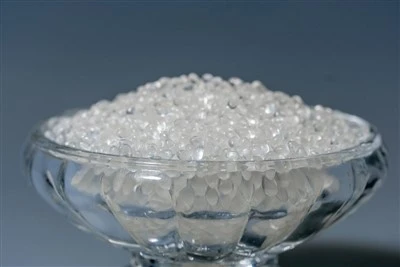
Now, how is it made, anyway? For anyone who’s curious, because if you’re a manufacturer, that matters. The process is called step-growth polymerization, but again, let’s keep it real. You start with three main ingredients: a polyol (that’s the soft segment stuff we talked about—polyester or polyether), a diisocyanate (the main hard segment building block), and a chain extender (usually a short diol like 1,4-butanediol, which is the final piece that connects the diisocyanate to the polyol to make the hard segments). You mix them together in a reactor at controlled temperature and pressure, and the reaction takes a few minutes to a few hours. Then, you either process it directly (if it’s for injection molding) or you pelletize it—cut it into tiny little pellets so it’s easier to ship, store, and melt down later. That’s where I come in as a supplier: we have different grades of pellets tailored to different uses, and we can even custom-blend if a customer needs something specific. For example, a client who makes flexible water hoses wanted a TPU that was UV-resistant so it wouldn’t crack after sitting in sunlight for years. We added a small amount of UV stabilizer during the polymerization process, so it’s not just a coated TPU—its internal structure has the protection built in, which makes it way more durable than a surface-coated product.
Wait, let’s talk about common misconceptions, because I hear these all the time. First: “TPU is too expensive.” Yeah, sometimes it costs more than PVC, but let’s do the math. A PVC hose might be half the price upfront, but it gets brittle, cracks, and has to be replaced every year. A TPU hose can last 5-10 years, so the total cost is way lower. Plus, TPU is recyclable, which is a big deal these days—you can melt and reuse TPU scrap, whereas PVC can release toxic chemicals when it’s melted. That’s a big selling point for manufacturers looking to cut waste and meet sustainability goals. Another misconception: “TPU is only for flexible stuff.” No way. We have rigid TPU grades that have a Shore D hardness of 75—wait, Shore D is that hardness scale they use for plastics, right? 75 D is almost as hard as some rigid nylons, but it’s still flexible enough to withstand impact without shattering. We use that for things like power tool housings that have to take drops off workbenches all the time.
What about real-world examples that drive this home? Last year, we worked with a company that makes wheelchair wheels. They were using regular rubber tires, but they kept getting flats, and the rubber got sticky in hot weather and cracked in cold. We switched them to a polyether TPU tire—solid, no flats, doesn’t get sticky, works in temperatures from -40°F to 150°F. Their customer satisfaction rating went up 30% because they didn’t have to deal with flat tires anymore. Another client makes dog leashes—they were using nylon, but the nylon frays, gets waterlogged, and gets slimy after a while. We put them on a soft, abrasion-resistant TPU we make, and now their leashes don’t fray, dry in 10 minutes, and last 3 times longer. I see how TPU works when it’s paired with the right application, and that’s what makes my job so cool—helping customers pick the right grade so their product works better, lasts longer, and saves them money in the long run.
Now, let’s get to the part that matters if you’re someone looking to use TPU in your products: how to make sure you’re getting the right TPU, and not just generic stuff. As a supplier, I always ask customers a few key questions first: what’s the application? What’s the operating temperature range? Does it need to resist chemicals, UV, water? Does it need to be transparent? Transparent TPUs are a big one—we have grades that are crystal clear, so they’re used for things like face shields or phone cases, because you don’t want yellowing over time. I once had a customer who bought cheap TPU from a overseas supplier that was transparent, but it turned yellow within 6 months from UV exposure. We fixed that with a stabilized transparent grade, and now their product stays clear for 5 years.
Also, don’t sleep on processing. TPU has a melt temperature, usually between 160°C and 220°C, depending on the grade. If you process it too hot, you can degrade the urethane bonds, and it loses all its properties. If you process it too cold, it doesn’t flow right, so your molded parts have defects. A good TPU supplier knows these processing nuances, and they’ll help you with that, not just sell you pellets. That’s why I’m not just a vendor—I help my customers troubleshoot their whole manufacturing process, because if their TPU isn’t being processed right, it doesn’t matter how good the molecular structure is.
Wait, let’s wrap this up so it’s not just a list of facts. The core of TPU, the thing that makes it work, is that block copolymer structure—soft elastic domains that give it stretch and rebound, hard physical crosslinks that give it strength, durability, and the ability to be melted and reshaped. Unlike other plastics or rubbers, it’s the middle kid that checks all the boxes: flexible, tough, processable, long-lasting. It’s not a wonder material, but it’s a versatile, well-designed material that’s revolutionized so many industries, from automotive to medical to consumer goods.

If you’re working on a project—whether it’s a new shoe midsole, a conveyor belt, a medical tube, a outdoor gear part, whatever—and you need a material that can take the abuse, last a long time, and give you consistent performance, TPU is probably your best bet. But not all TPU is the same, so don’t go for the cheapest generic grade. Reach out to us, tell us what you’re building, what challenges you’re facing, and we’ll help you pick the right TPU grade, maybe even custom-blend it if you need something specific. We’re not here to just make a sale—we’re here to make your product better, because that’s what this industry is about.
TPV References:
- Otaigbe, J. U., & Wood, M. D. (2018). Thermoplastic polyurethanes: Structure, properties, and applications. CRC Press.
- Hepburn, C. (1992). Polyurethane elastomers. Springer Science & Business Media.
- Szycher, M. (1999). Szycher’s handbook of polyurethanes. CRC Press.
Kunshan Kesun Polymer Co., Ltd.
Kunshan Kesun Polymer Co., Ltd. is one of the most professional TPU manufacturers and suppliers in China, featured by quality products and low price. Please feel free to wholesale bulk eco-friendly TPU from our factory. Contact us for customized service and free sample.
Address: No.108,Jinmao Road,Zhoushi Town,KunShan ,Jiangsu,China
E-mail: melody_yang@kesuntpe.com
WebSite: https://www.kesun-tpe.net/
