As a trusted supplier in the medical devices industry, I’ve witnessed firsthand the transformative power of these technologies in healthcare. However, with great innovation comes the responsibility to address new challenges, especially in the realm of security. In this blog, I’ll delve into the various security issues related to medical devices, drawing on my experience and industry knowledge. Medical Devices

The Connectivity Revolution and Its Risks
The medical device landscape has undergone a significant transformation in recent years. The advent of the Internet of Medical Things (IoMT) has enabled devices to communicate with each other, healthcare providers, and even patients. This connectivity allows for real – time monitoring, remote diagnostics, and more personalized treatment plans. For instance, implanted cardiac monitors can transmit data directly to a cardiologist’s office, enabling early detection of abnormal heart rhythms.
However, this increased connectivity also exposes medical devices to a wide range of cyber threats. Hackers can target these devices to steal sensitive patient information, disrupt treatment, or even cause physical harm. A compromised insulin pump, for example, could be manipulated to deliver an incorrect dose of insulin, leading to life – threatening complications for the patient.
Patient Data Privacy
One of the most pressing security concerns related to medical devices is the protection of patient data. Medical devices often collect a vast amount of sensitive information, including personal details, medical histories, and real – time health data. This data is a valuable target for cybercriminals who may seek to sell it on the black market or use it for identity theft.
Many medical devices lack robust data encryption mechanisms. When data is transmitted between a device and a healthcare provider’s system, it may be vulnerable to interception. Additionally, some devices store data locally without proper access controls, making it easier for unauthorized individuals to access patient information.
Device Malfunctions and Vulnerabilities
Medical devices, like any other technology, are not immune to software glitches and vulnerabilities. Manufacturers may release devices with unpatched security flaws, leaving them open to exploitation. In some cases, these vulnerabilities can be discovered and exploited by malicious actors.
For example, a software vulnerability in a radiology imaging device could allow a hacker to access the device’s internal functions. This could potentially lead to the manipulation of images, which could have serious consequences for patient diagnosis and treatment. Moreover, as medical devices become more complex and rely on third – party software components, it becomes increasingly difficult to ensure the security of the entire system.
Supply Chain Risks
As a medical device supplier, I’m well aware of the complexity of the supply chain. The production of medical devices involves multiple suppliers, each providing different components and services. This complexity can introduce security risks, as a single weak link in the supply chain can compromise the entire device.
For instance, a counterfeit component could be introduced into the supply chain. This component may not meet the necessary security standards and could be more susceptible to hacking. Additionally, suppliers may not have sufficient security measures in place to protect the intellectual property and sensitive information related to the medical devices they produce.
Lack of Standardization
The medical device industry currently lacks comprehensive security standards. Different manufacturers may have their own approaches to security, which can lead to inconsistencies in device protection. This lack of standardization makes it difficult for healthcare providers to evaluate the security of the devices they use.
Without clear standards, it also becomes challenging for regulatory bodies to enforce security requirements. As a result, some medical devices may enter the market without undergoing rigorous security testing, leaving patients and healthcare systems at risk.
Impact on Patient Safety and Reputation
The security issues related to medical devices have far – reaching consequences. Beyond the immediate threat to patient safety, a security breach can also damage the reputation of healthcare providers and device manufacturers. Patients trust that their medical devices are secure and reliable, and a breach of this trust can have long – lasting effects.
For healthcare providers, the loss of patient trust can lead to a decrease in patient satisfaction and loyalty. In addition, they may face legal liabilities if a security breach results in harm to a patient. Device manufacturers, on the other hand, may see a decline in sales and face regulatory scrutiny if their products are found to be insecure.
Addressing Security Issues
As a supplier, I believe that it is our responsibility to take proactive steps to address these security issues. First and foremost, we need to invest in research and development to improve the security of our devices. This includes implementing strong encryption protocols, conducting regular security audits, and patching vulnerabilities in a timely manner.
We also need to educate our customers, including healthcare providers and patients, about the importance of security. By providing them with clear instructions on how to protect their devices and data, we can help reduce the risk of security breaches.
Collaboration is another key factor. The medical device industry, regulatory bodies, and cybersecurity experts should work together to develop and enforce comprehensive security standards. This will help ensure that all medical devices on the market meet a minimum level of security.
Conclusion
The security issues related to medical devices are complex and multifaceted. However, by recognizing these challenges and taking proactive steps to address them, we can ensure that these life – saving technologies continue to provide safe and effective care. As a medical device supplier, I am committed to working towards a more secure future for healthcare.
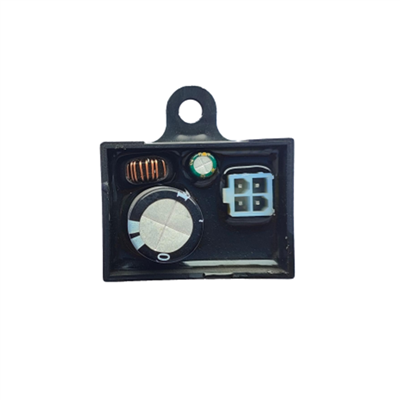
Electronic Control Unit In Car If you’re interested in learning more about our secure medical devices or are considering a procurement, I encourage you to reach out to our team. We’re here to discuss your specific needs and find the best solutions for your healthcare facility. Our experts can provide detailed information on the security features of our products and how they can protect your patients’ data and safety.
References
- Anderson, J. (2020). Cybersecurity in Medical Devices: Protecting Patient Safety. Healthcare Technology Management Journal.
- Brown, M. (2021). Supply Chain Security for Medical Devices. Medical Device Innovation Magazine.
- Clark, R. (2022). The Impact of Data Privacy on Medical Devices. International Journal of Healthcare Security.
Ningbo Xinyu Automotive Electronics Co., Ltd.
With abundant experience, we are one of the most professional medical devices manufacturers and suppliers in China. We warmly welcome you to wholesale customized medical devices from our factory. If you have any enquiry about quotation, please feel free to email us.
Address: Zhujiadu Village, Sanqizhen, Yuyao City, Zhejiang Province
E-mail: xyautoelec@163.com
WebSite: https://www.xyautoelec.com/
