Hey there! I’m a supplier of grain processing lines. Over the years, I’ve seen firsthand how important it is to comply with environmental regulations when using these machines. That’s why I’m here to share some tips on how you can make sure your grain processing line is eco – friendly and within the legal framework. Grain Processing Line
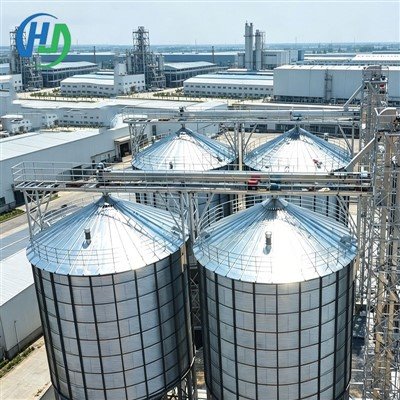
Let’s start with understanding what environmental regulations are all about. These regulations are put in place by the government to protect the environment from pollution and other negative impacts. They cover things like air quality, water pollution, waste management, and energy consumption. When you’re running a grain processing line, you’ve got to pay attention to all of these aspects.
Air Quality
One of the big issues in grain processing is dust emissions. Grain dust can be a major air pollutant, and it can also be a fire and explosion hazard. To comply with air quality regulations, you need to have a good dust collection system in place.
There are different types of dust collectors you can use. For example, baghouse filters are really popular. They work by trapping dust particles in fabric bags. As the air passes through the bags, the dust gets stuck, and the clean air goes through. You’ve got to make sure these bags are regularly checked and replaced when they’re worn out.
Another option is cyclone dust collectors. These use centrifugal force to separate the dust from the air. They’re great for removing larger dust particles, but they might need to be used in combination with other types of collectors for finer dust.
Also, make sure your processing line is well – ventilated. Good ventilation helps to keep the dust from building up in the work area and getting released into the atmosphere. You can install exhaust fans and vents to make sure the air is constantly moving.
Water Pollution
Grain processing can also have an impact on water quality. For example, when you’re cleaning the grain or the equipment, you might use a lot of water. This water can pick up dirt, chemicals, and other contaminants.
To prevent water pollution, you need to have a proper wastewater treatment system. First, you can use sedimentation tanks to let the solid particles settle at the bottom. Then, you can use filtration systems to remove any remaining impurities.
It’s also a good idea to reuse water whenever possible. For instance, the water used in the initial cleaning stages can be filtered and reused in the later stages of the process. This not only helps to conserve water but also reduces the amount of wastewater that needs to be treated.
You should also be careful about the chemicals you use in the processing line. Some cleaning agents can be harmful to the environment if they end up in the water. Look for eco – friendly cleaning products that are biodegradable and don’t contain harmful chemicals.
Waste Management
Grain processing generates a lot of waste. This can include husks, bran, and broken grains. Instead of just throwing this waste away, you can find ways to reuse or recycle it.
For example, husks and bran can be used as animal feed. This not only reduces waste but also provides a valuable resource for the farming industry. You can also look into selling these by – products to local farmers or feed manufacturers.
If you have a large amount of waste that can’t be used as feed, you can consider composting it. Composting turns the organic waste into a nutrient – rich soil conditioner. This can be used in agriculture to improve soil quality and reduce the need for chemical fertilizers.
You also need to make sure you’re disposing of any non – organic waste, such as packaging materials, in the right way. Follow the local waste disposal regulations and make sure you separate different types of waste for proper recycling and disposal.
Energy Consumption
Grain processing lines use a lot of energy to run. From the motors that power the machines to the lights in the processing facility, energy consumption is a big part of the operation.
To comply with environmental regulations and save money at the same time, you should look for ways to reduce energy consumption. One of the easiest ways is to use energy – efficient equipment. When you’re buying a grain processing line, look for machines that are rated for high energy efficiency.
You can also install sensors and controls to manage the energy use. For example, you can use motion sensors to turn off lights when no one is in the area. You can also use variable frequency drives on motors to adjust the speed according to the actual load, which can save a significant amount of energy.
Another tip is to make sure your processing facility is well – insulated. This helps to keep the temperature stable inside, reducing the need for heating and cooling. You can insulate the walls, ceilings, and floors of the facility to improve energy efficiency.
Training Your Staff
Even if you have all the right equipment and systems in place, it won’t do much good if your staff doesn’t know how to use them properly. That’s why it’s important to provide regular training to your employees on environmental compliance.
Train them on how to operate the dust collection systems, wastewater treatment systems, and energy – efficient equipment. Make sure they understand the importance of following environmental regulations and how their actions can impact the environment.
You can also set up a reward system for employees who come up with ideas to improve environmental performance. This can encourage them to be more involved in the process and come up with innovative solutions.
Staying Up – to – Date
Environmental regulations are constantly changing. What was okay a few years ago might not be allowed today. That’s why it’s important to stay up – to – date with the latest regulations.
You can subscribe to industry newsletters, attend seminars, and join professional organizations related to grain processing. These resources can provide you with the latest information on environmental regulations and best practices.
You should also have a system in place to regularly audit your grain processing line to make sure you’re still in compliance. This can help you identify any potential issues before they become big problems.
Conclusion
Complying with environmental regulations when using a grain processing line is not only a legal requirement but also a smart business move. It helps to protect the environment, reduce your operating costs, and improve your reputation in the market.
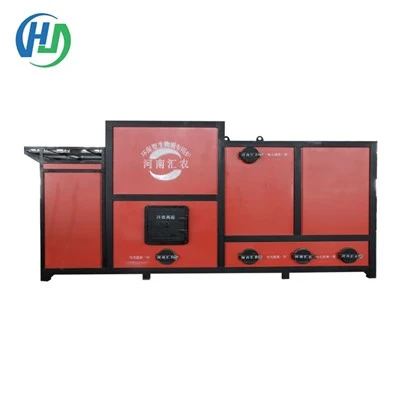
If you’re looking for a high – quality grain processing line that is designed with environmental compliance in mind, I’m here to help. I’ve got a wide range of products that are energy – efficient, have good dust collection and wastewater treatment capabilities, and are built to last.
Grain Processing Line Whether you’re a small – scale farmer or a large – scale grain processor, I can provide you with the right solution for your needs. So, if you’re interested in learning more about our grain processing lines or have any questions about environmental compliance, don’t hesitate to reach out. Let’s work together to make your grain processing operation more sustainable and profitable.
References
- "Environmental Regulations for the Food Processing Industry" – A handbook published by a local environmental protection agency
- "Energy – Efficient Practices in Grain Processing" – An article from a leading industry magazine
- "Waste Management in Agriculture" – A research paper from a well – known university
- "Air Quality Control in Industrial Settings" – A guidebook from a national environmental research institute
Henan Huinong Machinery Co., Ltd.
Henan Huinong Machinery Co., Ltd. is one of the most professional grain processing line manufacturers and suppliers in China, featured by quality products and low price. Please rest assured to buy discount grain processing line from our factory. We also accept customized orders.
Address: No. 6, Northeast Corner of the Intersection of Renmin Road and Zhujiang Road, New District, Huaxian County, Henan Province
E-mail: frank.tang@huinongmachinery.com
WebSite: https://www.huinongmachinery.com/
