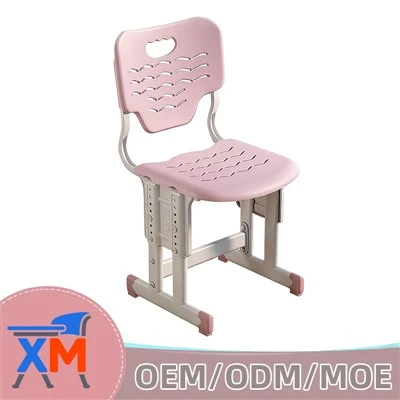
When outfitting a laboratory, one crucial piece of equipment that often goes overlooked is the laboratory chair. The right chair can enhance comfort, productivity, and safety for lab technicians and researchers. As a trusted laboratory chair supplier, I understand the importance of selecting the appropriate materials for these specialized chairs. In this blog post, I’ll discuss the materials commonly used for laboratory chairs and their unique benefits. Laboratory Chair
1. Fabric
-
Polyester Blend
Polyester blend fabrics are a popular choice for laboratory chairs. They are durable, resistant to stains, and relatively easy to clean. The synthetic nature of polyester makes it less likely to absorb liquids, which is a significant advantage in a laboratory environment where spills are common. Additionally, polyester blends can be designed to be breathable, preventing discomfort from prolonged sitting. For example, a blend with a small percentage of cotton can add a soft texture while maintaining the durability of the polyester.
These fabrics come in a variety of colors, allowing labs to choose chairs that match their interior design. They are also cost – effective, making them suitable for laboratories on a budget. -
Microfiber
Microfiber is another excellent fabric option. It has a very fine fiber structure, which gives it a soft and luxurious feel. Microfiber is highly resistant to stains, as its tight weave prevents liquids from penetrating easily. It is also easy to clean; a simple wipe with a damp cloth can often remove most spills.
In terms of durability, microfiber is comparable to polyester blends. It can withstand regular use and cleaning without losing its shape or color. Moreover, microfiber is hypoallergenic, which is essential for labs where individuals may have sensitive skin or allergies.
2. Leather and Leatherette
-
Genuine Leather
Genuine leather is a high – end option for laboratory chairs. It exudes a professional and sophisticated look, making it suitable for executive laboratories or those with a high – end aesthetic. Leather is known for its durability; with proper care, a leather chair can last for many years.
Leather is also highly resistant to damage from scratches and abrasions. It has a natural ability to repel liquids, although spills should still be cleaned up promptly to prevent staining. Leather chairs are comfortable to sit on for long periods as the material conforms to the body’s shape over time. However, genuine leather requires regular maintenance, such as conditioning, to keep it in good condition. -
Leatherette (Faux Leather)
Leatherette is a synthetic alternative to genuine leather. It offers many of the same benefits, such as a smooth and professional appearance, at a lower cost. Leatherette is easier to clean than genuine leather and is often more resistant to stains and spills. It does not require the same level of maintenance as leather, making it a practical choice for busy laboratories.
While leatherette may not have the same long – term durability as genuine leather, it can still provide several years of reliable use. It is available in a wide range of colors and textures, allowing labs to find a style that suits their needs.
3. Plastic
-
Polypropylene
Polypropylene is a lightweight and durable plastic commonly used in laboratory chairs. It is resistant to a wide range of chemicals, making it ideal for laboratories where exposure to various substances is possible. Polypropylene chairs can be easily molded into different shapes, providing ergonomic support.
These chairs are also very easy to clean; they can be wiped down with common cleaning agents. Polypropylene is a cost – effective material, and chairs made from it are often more affordable than those made from other materials. However, they may not offer the same level of comfort as chairs with fabric or leather seats, especially for long – term use. -
Polycarbonate
Polycarbonate is a strong and transparent plastic. It has excellent impact resistance, which makes it suitable for laboratory chairs in high – traffic areas. Polycarbonate chairs can be designed to have a modern and sleek appearance.
In addition to its strength, polycarbonate is also resistant to heat and chemicals. It can withstand some degree of exposure to laboratory reagents without degrading. However, polycarbonate chairs can be more expensive than polypropylene chairs, but their durability may justify the higher cost in some cases.
4. Metal
-
Steel
Steel is a common material used for the frames of laboratory chairs. It provides excellent strength and stability, ensuring that the chair can support the weight of the user. Steel frames can be powder – coated to resist corrosion, which is important in a laboratory environment where there may be exposure to moisture or chemicals.
Steel frames are often adjustable, allowing for height, tilt, and other adjustments to accommodate different users. They can be designed to be sleek and modern, adding to the overall aesthetic of the laboratory. However, steel can be heavy, which may make it more difficult to move the chairs around. -
Aluminum
Aluminum is a lightweight alternative to steel. It offers good strength – to – weight ratio, making the chairs easier to move. Aluminum frames are also resistant to corrosion, even in harsh environments.
Chairs with aluminum frames are often more suitable for laboratories where portability is a concern. They can be easily repositioned as needed. However, aluminum may not be as strong as steel, so it may not be suitable for chairs that need to support very heavy loads.
5. Foam
-
Polyurethane Foam
Polyurethane foam is the most common type of foam used in laboratory chair seats and backs. It provides excellent cushioning and support, reducing fatigue during long hours of sitting. Polyurethane foam can be formulated to have different densities, allowing for customization of the chair’s comfort level.
This foam is resistant to indentation, meaning it will retain its shape over time. It is also relatively inexpensive, making it a cost – effective choice for laboratories. However, polyurethane foam may degrade over time if exposed to harsh chemicals or excessive heat. -
Memory Foam
Memory foam is a more advanced type of foam that conforms to the shape of the user’s body. It provides personalized support, distributing the user’s weight evenly and reducing pressure points. Memory foam is especially beneficial for individuals who spend long periods sitting in the laboratory.
While memory foam offers superior comfort, it is generally more expensive than polyurethane foam. It also requires proper ventilation to prevent heat buildup, which can reduce its comfort level in hot environments.
Conclusion
As a laboratory chair supplier, I know that choosing the right materials for laboratory chairs is crucial for the comfort, safety, and productivity of lab personnel. Each material has its own unique properties and benefits, and the choice depends on various factors such as the laboratory environment, budget, and user preferences.
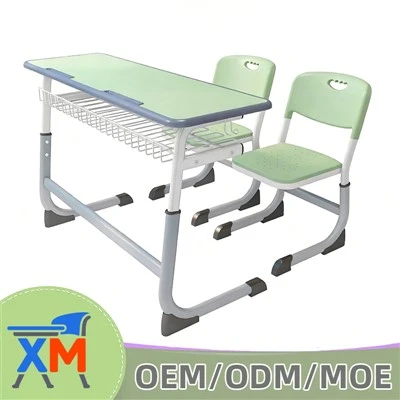
Double Desk School If you are in the process of outfitting your laboratory or looking to replace old chairs, I encourage you to consider the materials discussed in this blog post. Our team of experts can help you select the most suitable laboratory chairs based on your specific needs. We offer a wide range of chairs made from different materials, ensuring that you can find the perfect fit for your laboratory. Don’t hesitate to contact us for a consultation and to start the procurement process. Let us help you create a comfortable and functional laboratory environment.
References
- "Materials Science in Laboratory Equipment Design" – Journal of Laboratory Technology
- "Comfort and Durability: A Study of Laboratory Chair Materials" – International Journal of Ergonomics
Shanghai Xinmu Industrial Co., Ltd.
We are one of the most professional laboratory chair manufacturers and suppliers in China. With abundant experience, we warmly welcome you to wholesale customized laboratory chair at competitive price from our factory. If you have any enquiry about pricelist, please feel free to email us.
Address: 3rd Floor, NO.5# Building, No. 288 Rongxing Road, Songjiang District, Shanghai
E-mail: sales@xinmugroup.com
WebSite: https://www.xinmufurniture.com/
