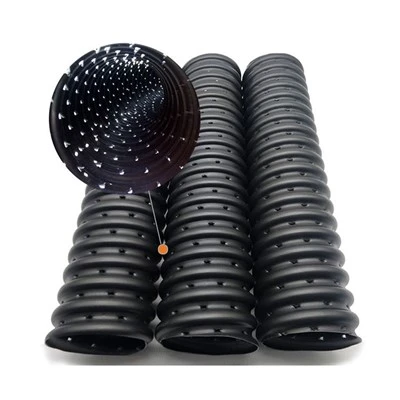
Hey there! I’m a supplier of MPP pipes, and I’ve been in this business for quite a while. MPP pipes, or Modified Polypropylene pipes, are super important in the oil and gas industry. Today, I wanna chat about the safety requirements for MPP pipes in oil and gas applications. MPP Pipe
1. Material Quality
First off, the material quality of MPP pipes is crucial. You see, in oil and gas applications, these pipes are gonna be exposed to some pretty harsh conditions. The MPP material we use has to be of top – notch quality. It should have high resistance to chemicals. Oil and gas contain all sorts of chemicals, like hydrocarbons, acids, and salts. If the pipe isn’t resistant, it can get corroded pretty quickly.
For example, if there are acidic substances in the oil or gas, a low – quality MPP pipe might start to break down. This can lead to leaks, which are not only a waste of resources but also a huge safety hazard. We make sure our MPP pipes are tested for chemical resistance. We use special testing methods to check how well the pipes hold up against different chemicals.
Another aspect of material quality is the mechanical strength. In oil and gas applications, the pipes might have to withstand high pressure. Whether it’s the pressure of the flowing oil or gas or the external pressure from the surrounding environment, the pipes need to be strong. Our MPP pipes are designed to have high tensile strength and impact resistance. This means they can handle a lot of stress without cracking or breaking.
2. Installation Safety
Proper installation is key to the safety of MPP pipes in oil and gas applications. When installing these pipes, there are a few things to keep in mind.
First, the pipes need to be installed at the right depth. In oil and gas fields, the pipes are usually buried underground. If they’re not buried deep enough, they can be easily damaged by external factors like construction equipment or natural disasters. We recommend a certain depth based on the local conditions and the type of oil and gas application.
Second, the joints between the pipes have to be properly sealed. A leaky joint can cause a lot of problems. We use special sealing techniques and materials to ensure that the joints are tight. For example, we might use rubber gaskets or heat – fusion welding to join the pipes. These methods create a strong and leak – proof connection.
Also, during installation, the pipes need to be supported properly. If the pipes are not supported well, they can sag or bend, which can lead to stress points and eventually damage the pipes. We use supports like saddles and brackets to keep the pipes in place.
3. Operating Conditions
Understanding the operating conditions is essential for the safety of MPP pipes. In oil and gas applications, the temperature can vary a lot. Sometimes, the pipes are exposed to high – temperature oil or gas, and other times, they might be in a cold environment.
Our MPP pipes are designed to handle a wide range of temperatures. They have good thermal stability, which means they won’t expand or contract too much with temperature changes. This is important because if the pipes expand or contract too much, it can cause stress on the joints and the pipes themselves.
The flow rate of the oil or gas is another factor. High – flow rates can create more pressure on the pipes. We need to make sure that the pipes can handle the flow rate without getting damaged. We calculate the maximum flow rate that our MPP pipes can handle and provide guidelines to our customers.
4. Monitoring and Maintenance
Once the MPP pipes are installed and in operation, monitoring and maintenance are necessary. Regular monitoring can help detect any potential problems early.
We recommend using sensors to monitor the pressure, temperature, and flow rate inside the pipes. These sensors can send data to a control center, where operators can keep an eye on the pipes’ performance. If there are any abnormal readings, they can take action right away.
Maintenance is also important. We need to inspect the pipes regularly for any signs of damage, like cracks or corrosion. If we find any issues, we can repair or replace the affected parts. For example, if a small section of the pipe is corroded, we can cut out that section and replace it with a new one.
5. Fire and Explosion Safety
In the oil and gas industry, fire and explosion are major concerns. MPP pipes need to have good fire – retardant properties. Our MPP pipes are made with materials that can resist fire to a certain extent.
We also take precautions to prevent static electricity. Static electricity can build up in the pipes, especially when the oil or gas is flowing at high speed. This static electricity can cause sparks, which can lead to fires or explosions. To prevent this, we use anti – static additives in our MPP pipes.
6. Environmental Considerations
Finally, environmental safety is important. MPP pipes should be environmentally friendly. They should not release any harmful substances into the environment.
Our MPP pipes are made from materials that are non – toxic and recyclable. This means that at the end of their life cycle, they can be recycled and used to make new products. Also, during the manufacturing process, we try to minimize the environmental impact by using energy – efficient methods.
In conclusion, the safety requirements for MPP pipes in oil and gas applications are quite strict. From material quality to installation, operating conditions, monitoring, fire safety, and environmental considerations, every aspect needs to be carefully considered.
If you’re in the oil and gas industry and are looking for high – quality MPP pipes that meet all these safety requirements, don’t hesitate to reach out. We’re here to provide you with the best products and solutions. Contact us to start a discussion about your specific needs and let’s work together to ensure the safety and efficiency of your oil and gas operations.
PP-R Pipes and Fittings References:
- Industry standards for MPP pipes in oil and gas applications
- Research papers on the properties and performance of MPP pipes
- Case studies of MPP pipe installations in oil and gas fields
Shanxi Kaisheng Plastic Co., Ltd.
Shanxi Kaisheng Plastic Co., Ltd. is one of the most professional mpp pipe manufacturers and suppliers in China, featured by quality products and good price. Welcome to buy durable mpp pipe made in China here and get quotation from our factory. We also accept customized orders.
Address: No. 72, Area S, Gate 1, Haohai Wumart, Fendong Street, Xiaodian District, Taiyuan City, Shanxi Province
E-mail: sxkssj8@163.com
WebSite: https://www.sxksgys.com/
