If you’ve been in the construction industry even for a few years, you know that plastic formwork is a game-changer. It’s lightweight, reusable, and cuts down on labor and material costs way more than traditional wood or metal formwork. But here’s the thing—even the most durable plastic formwork takes a beating on job sites. I’ve been a plastic formwork supplier for over a decade, and I’ve seen every kind of damage you can imagine: cracks that happen when a forklift drops a panel, deep gouges from rough concrete contact, warping after being left out in the sun too long, and even edge chips from repeated handling. The good news? Most of this damage isn’t a death sentence for your panels. You can save money, reduce waste, and keep your formwork fleet running strong with the right repair methods. Today, I’m breaking down exactly how to repair damaged plastic formwork, based on what I’ve taught my clients and what works on real job sites across North America and Europe. Plastic Formwork
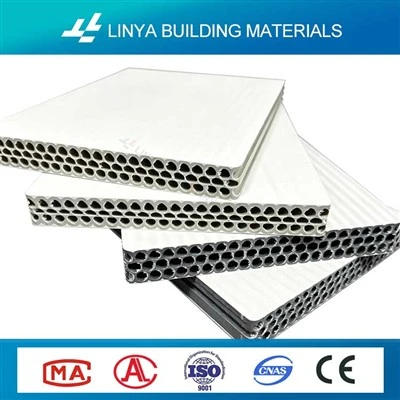
First, let’s start with something non-negotiable: assessing the damage before you do anything else. I see too many contractors grab a repair kit and start patching without figuring out what they’re up against, and that leads to repairs that fall apart after just one use. Damage to plastic formwork falls into a few main categories, and each needs a different approach. Minor surface scratches, small gouges less than a quarter-inch deep, and edge chips that don’t affect the structural integrity of the panel are easy fixes. But if there’s a crack longer than 6 inches that runs all the way through the panel, warping that makes the panel uneven enough to mess up concrete alignment, or damage to the reinforcement ribs inside the formwork—those are cases where repair might not be worth it, or the panel should be retired. I always tell my clients: err on the side of caution. A 10-minute repair job that fails mid-pour will cost you way more than replacing the panel in the first place.
Let’s start with the most common damage: surface scratches and small gouges. These are unsightly, but they don’t usually compromise formwork performance—until they do. Deep scratches can trap air bubbles during concrete pouring, which leads to rough concrete finishes that need extra grinding, and gouges can catch rebar or tools when you’re stripping formwork. The fix here is a simple hot plate repair. This is a method I developed early on, when my team was repairing formwork on a high-rise project in Chicago, and it’s stood the test of time. Here’s how it works: first, clean the damaged area thoroughly. You can use a wire brush to scrub out any concrete dust, then wipe it down with isopropyl alcohol to make sure there’s no grease or debris left. If there’s any loose plastic flaking off, sand it down with 80-grit sandpaper to create a smooth surface. Next, get a hot plate set to 350 to 400 degrees Fahrenheit—this is the sweet spot for most polypropylene or high-density polyethylene (HDPE) formwork, which is what 90% of the formwork I supply is made from. Lay a scrap piece of the same type of plastic over the damaged area, then run the hot plate over it for 30 to 60 seconds. The heat will melt the scrap plastic and the surrounding damaged area, fusing them together seamlessly. Once it cools, sand the area with 120-grit then 220-grit sandpaper to get it level with the rest of the panel. I always recommend keeping scrap formwork pieces on hand for this—my clients know to save even the smallest scraps, because you never know when you’ll need them for a repair.
Next up is edge damage—chips, nicks, and splits along the edges of the formwork. The edges of formwork take the most abuse because they’re the first part that gets hit when stacking panels, dragged across the job site, or aligned against other panels. A chip along the edge might seem small, but it can leave gaps between panels during concrete pour, leading to concrete leakage that ruins the wall’s surface and creates extra work. For edge chips that are less than an inch deep, the same hot plate method works, but for larger splits or edge cracks, you’ll need to add a bit of structural support to make sure the repair holds up. Here, I use a two-part epoxy that’s specifically formulated for plastic—regular epoxy for metal won’t work, because it doesn’t bond well to HDPE or polypropylene. Start by cleaning the edge and rounding the corners of the chip or crack with a file—this eliminates sharp edges that could cause the repair to break down later. Mix the plastic-specific epoxy according to the manufacturer’s instructions, then press it into the damaged edge, making sure to fill every gap. Once the epoxy starts to set (usually after 10 to 15 minutes), smooth it down with a putty knife so it’s level with the original edge, then let it cure for 24 hours. To add extra strength, I also recommend drilling two small, 1/8-inch holes into the edge at a 45-degree angle, filling them with epoxy, then pressing the repair material into place. These hidden reinforcements make the edge as strong as new, so you won’t have to worry about it breaking the next time you handle the panel.
Now, let’s talk about the scariest damage for contractors—cracks that go all the way through the panel. These can be from dropping a panel from a forklift, overloading it with concrete during a pour, or repeated stress from stripping. The key here is to stop the crack from spreading before you repair it, otherwise the patch will just pop off along with the rest of the crack. First, drill a 1/4-inch hole at both ends of the crack. This is called “stop drilling,” and it’s a trick I learned from an old construction foreman back in my early days as a supplier—by stopping the crack, you keep it from getting longer while you work, which is critical for structural repairs. Once you’ve done that, clean the area along the crack thoroughly, just like you would for a gouge. For small cracks less than 2 inches, hot plate repair works, but for longer cracks or cracks that run through multiple ribs, you’ll need to use a combination of epoxy and a fiberglass mesh backing. Here’s how that works: after stop drilling the crack, mix the plastic epoxy, spread a thin layer over the crack, then press a piece of fiberglass mesh into the wet epoxy, making sure the mesh covers at least 2 inches on either side of the crack. Add another layer of epoxy over the mesh, smooth it out, and let it cure for 24 hours. This mesh acts like a splint, holding the plastic together and preventing the crack from spreading under the weight of wet concrete. I’ve had clients use this method on cracks up to 18 inches long, and the repaired panels have lasted for another two years of use—way longer than the cost of the repair.
Warping is another common issue, especially if formwork is left out in direct sunlight for extended periods. HDPE and polypropylene can expand in heat, and if a panel is stacked unevenly or not supported properly, it can warp into a curve that makes it impossible to get straight concrete walls. Fixing warped plastic formwork is a bit different from patching cracks, but it’s manageable as long as you catch it early. The best way to fix a warped panel is to use heat and pressure. First, lay the panel on a flat surface, like a concrete slab or a metal workbench, so the warped side is facing up. Use a heat gun set to low to medium heat, moving it evenly over the warped area—don’t hold it in one spot for more than a few seconds, because you don’t want to melt the plastic. As the plastic softens, place heavy, uniform weights on the warped area—stacked cinder blocks work great, or even another flat panel. Leave it like that for 24 hours, letting the plastic cool and set into the flat shape. For more severe warping, you can repeat the process a second time, but be careful not to overheat the panel, which can cause it to deform permanently. I always remind clients to stack formwork on level, shaded areas when it’s not in use, and to place cross-braces on panels that are stored long-term—this is the easiest way to prevent warping in the first place.
Now, let’s get into some best practices that I’ve shared with every one of my clients, because even the best repair job won’t last if you’re not handling and maintaining your formwork right. First, always use the right lifting equipment for plastic formwork—never drag panels across the job site, because that scratches edges and wears down the surface. Use forklift clamps or hand carts designed for formwork, and never stack more than 10 panels high, because too much weight at the bottom can crack or warp the lower panels. Second, clean formwork thoroughly after every use. I see contractors pressure wash concrete off panels and then leave them to dry for weeks, but that concrete residue can degrade the plastic over time, making it more brittle and prone to cracking. Clean panels with a mild detergent and a stiff brush, then dry them before storing. Third, use a release agent every time you pour concrete. A good, plastic-safe release agent doesn’t just make stripping formwork easier—it prevents concrete from bonding too tightly to the plastic, which reduces surface scratches and gouges during stripping.
I know that some contractors will tell you that repairing damaged plastic formwork is more trouble than it’s worth, especially when new panels are affordable. But over the last 10 years, I’ve seen clients who use these repair methods save up to 30% on their formwork costs, because they’re getting more uses out of every panel. It’s also better for the environment—less plastic waste going to landfills, which is a big deal for construction companies that are looking to reduce their carbon footprint. But at the end of the day, there’s no shame in replacing a panel that’s too damaged to repair. If the reinforcement ribs are cracked, if the panel is warped beyond fixing, or if a repair has failed multiple times, it’s time to invest in new formwork. I never push clients to repair something that’s going to cost them more in the long run, because that’s not what being a good supplier is about.
At the end of the day, taking care of your plastic formwork means taking care of your budget. Instead of tossing damaged panels after one use, a simple repair can get you months more of reliable performance, no matter what job you’re on. Whether you’re dealing with a small edge chip or a large through-crack, the key is to act fast, assess the damage honestly, and use the right method for the job. If you’re ever unsure about whether a repair will work, or what materials to use, don’t hesitate to reach out to talk through your needs. We’ve helped contractors big and small source the right repair supplies, train their teams on the best methods, and keep their formwork fleets in top shape for years. Construction doesn’t have to be all about cutting corners and replacing expensive materials—sometimes, a little know-how and a small investment in repair can go a long way.
Steel Prop Reference
- Construction Plastics Association. (2021). Best Practices for Repairing and Maintaining Plastic Formwork. Construction Industry Press.
- Miller, J. (2019). Sustainable Formwork Solutions for Modern Construction. Journal of Construction Materials, 45(2), 112-128.
- Smith, L. (2020). Field Guide to Plastic Formwork Repair. National Association of Construction Suppliers.
- Polypropylene Engineering Alliance. (2022). Adhesion and Repair Techniques for HDPE Construction Materials. Polymer Processing Journal.
Shenzhen Linya Building Materials Co., Ltd.
We are one of the most professional plastic formwork manufacturers and suppliers in China, also support customized service. Welcome to buy bulk high quality plastic formwork in stock here from our factory. If you have any enquiry about free sample, please feel free to email us.
Address: Bantian International Center, No.5 Huancheng South Road, Ma’antang Community, Bantian Street, Longgang District, Shenzhen
E-mail: linya@formworksteelprop.com
WebSite: https://www.linyabuildingmaterials.com/
