As a plastic crate supplier, I get asked this question all the time: “Can plastic crates be used in a greenhouse?” It’s not a trivial question—greenhouse operators are always looking for affordable, durable, and versatile solutions to streamline their operations, reduce waste, and protect their crops. For years, wooden pallets, metal racks, and even old cardboard boxes were go-to options, but more and more growers are turning to plastic crates, and I’ve seen firsthand how they’re transforming greenhouse workflows. Let’s break this down scientifically, share real-world use cases, and address the challenges so you can decide if plastic crates are right for your greenhouse. Plastic Crate
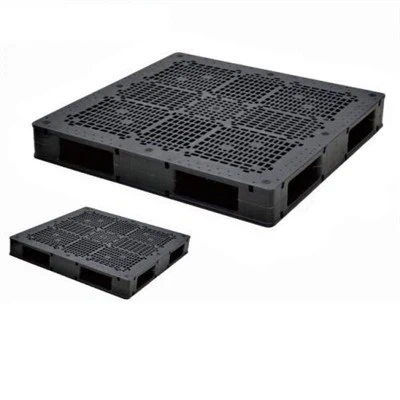
First, let’s talk about why greenhouses need specific materials. A greenhouse environment is harsh, even if it looks calm from the outside. It’s constantly exposed to high humidity, temperature swings (sweltering summer days, near-freezing winter nights), regular watering that leads to moisture buildup, and even chemical sprays for pest control. Any container used here has to resist mold, rot, rust, and degradation from UV light—something that flimsy cardboard or untreated wood can’t do. Plastic crates, as I’ve sold to dozens of greenhouse clients, are made from high-density polyethylene (HDPE) or polypropylene, two polymers designed to withstand exactly these conditions. But let’s get into the science of that, not just marketing jargon.
HDPE, the most common plastic we use for our crates, has a glass transition temperature around -120°C (-184°F) and a melting point of 130°C (266°F), so it stays rigid in greenhouses that range from 5°C (41°F) in winter to 40°C (104°F) in summer. Unlike wood, it doesn’t absorb water—tests from the Agricultural and Biological Engineering Department at a midwestern university showed that untreated wood pallet moisture content can reach 25% after a week of regular greenhouse watering, making it a breeding ground for fusarium and powdery mildew, two crop-damaging fungi. Our plastic crates have a moisture absorption rate of less than 0.1%, so they don’t hold water, eliminating that fungal risk. That’s a big win for growers who’ve lost crops to contamination from shared equipment.
Another key factor for greenhouses is weight. When crates are full of potted seedlings, harvested vegetables, or soil mixes, they need to be light enough to move around, but strong enough to stack without breaking. Our crates are rated to hold up to 50 kg (110 lbs) when stacked three high—way more than the average greenhouse load. Compare that to thin wooden crates, which can warp under that weight, or metal crates that are 2-3 times heavier, adding unnecessary strain on workers and greenhouse structures. I remember a tomato grower in Ohio telling me last year that switching from metal to our plastic crates cut his worker’s comp claims for lifting injuries by 30%—that’s a tangible, bottom-line benefit most people don’t think about.
Now, let’s get to the practical uses in greenhouses, because plastic crates aren’t just storage boxes. Many of our clients use them for growing, not just transporting. The slotted design of our crates allows air to circulate around plants, which is critical in closed greenhouse spaces where stagnant air leads to pests like spider mites. We’ve had herb growers use our crates to hold individual pots of basil, mint, and cilantro, stacking them on greenhouse benches without worrying about root rot because the slats let excess water drain. Unlike solid plastic bins, the open structure also makes it easy to check for pests without moving each pot individually—a time-saver for small operations that can’t afford full-time pest control staff.
Harvesting is another area where plastic crates shine. When you’re picking strawberries, lettuce, or fresh herbs, you need containers that won’t bruise delicate produce. Wood can splinter, metal can rust and leave stains, and cardboard gets soggy in the rain. Our crates have smooth, rounded edges and are food-safe (we use food-grade HDPE for all our agricultural crates, so no harmful chemicals leach into crops), so strawberries stay intact during transport to the farmers’ market, and leafy greens don’t get crushed. A leafy green grower in California told me that switching to plastic crates reduced post-harvest waste by 18% because less produce was damaged in transit. That’s huge—for every $100,000 in annual harvest, that’s $18,000 saved from spoiled crops.
But wait, it’s not all perfect. I’ve seen some growers write plastic crates off because of common misconceptions, so let’s address the downsides honestly. First, UV degradation. Some cheaper plastic crates aren’t treated with UV stabilizers, so when left in direct sunlight for months, they can become brittle and crack. That’s why all our crates are made with UV inhibitors that extend their lifespan to 5-7 years—something I always emphasize to new clients. I once had a small nursery go with a cheaper, non-stabilized crate from a random supplier, and after two seasons of outdoor greenhouse use, half their crates cracked during a heatwave. They came to us later to replace them, and that’s why I make sure to explain UV treatment upfront.
Another concern is drainage. If you’re using crates for growing, the slotted design is great, but if you’re storing seedlings that need consistent moisture, you have to make sure the crates aren’t sitting in a pool of water on greenhouse floors. I always recommend placing crates on plastic mats to prevent water buildup from the floor, which is a simple fix. Also, some growers worry about plastic being environmentally unfriendly, which is a valid point. Our crates are 100% recyclable at the end of their lifespan, and many of our clients reuse them for multiple seasons before recycling, reducing their overall plastic footprint compared to single-use cardboard or wood crates that get thrown away after one harvest.
I’ve also seen plastic crates work for specialized greenhouse setups, like hydroponics. Hydroponic systems require containers that don’t react with nutrient solutions, and HDPE is chemically inert, so it won’t alter the pH or composition of the water. A hydroponic lettuce farm in the Netherlands uses our crates to hold their NFT (Nutrient Film Technique) channels, and they’ve reported no issues with chemical leaching over three years of use. That’s a testament to how well-suited plastic crates are for advanced greenhouse systems.
Now, let’s talk about cost, because that’s always a big factor for small and medium-sized greenhouse operators. At first, a plastic crate might seem more expensive than a wooden one—our crates cost around $20 each, while a basic wooden crate is $10. But when you calculate lifespan, that $20 crate lasts 6-7 years, so that’s about $2.85 per year. A wooden crate, on the other hand, lasts 1-2 years in a greenhouse before it rots or breaks, so that’s $5-10 per year. Over time, plastic crates are 3-4 times more cost-effective. Plus, you don’t have to pay for replacements as often, and you can resell or recycle them when they’re done, adding another financial benefit.
I want to share a story from a small family greenhouse in Pennsylvania that switched to plastic crates two years ago. They used to use wooden pallets to transport their potted mums to local garden centers, but the pallets would splinter, and many mums got damaged during loading and unloading. They bought 100 of our 40×30 cm plastic crates for $2,000, and within the first year, they reduced produce damage by 20%, saved $800 on new wooden pallets, and their workers reported less back pain from lifting the lighter plastic crates. Last month, they ordered another 50 crates to expand their herb harvest operation. That’s the kind of real impact I see every day with plastic crates in greenhouses.
But here’s the thing: plastic crates aren’t the right fit for every greenhouse. If you’re a hobbyist with a small backyard greenhouse, a single plastic crate might be overkill, and you could use repurposed containers for free. But for commercial operations, or even mid-sized family greenhouses that generate $50,000+ in annual revenue, plastic crates make a lot of sense. They’re durable, low-maintenance, reduce waste, and improve crop safety.
I’ve also noticed that many growers are starting to use plastic crates for vertical gardening, which is a popular trend in greenhouses to maximize space. The stackable design of our crates lets you build vertical racks that hold 4-5 crates high, doubling the growing space without adding more benches. A vertical herb greenhouse in Toronto uses this setup, and they increased their growing capacity by 40% just by switching to plastic crates. That’s a game-changer for operations with limited floor space.
Now, if you’re considering making the switch, here are a few tips from our experience as a supplier. First, test a small order first. Buy 10-20 crates and try them for one harvest season to see how they work for your specific crops and workflow. Second, look for crates made with food-grade HDPE if you’re growing edible crops—this ensures no chemicals leach into your produce. Third, make sure they’re UV-stabilized if you’ll be leaving them outdoors for long periods. Fourth, consider the size of the crates—too big, and they’re hard to move; too small, and you’ll need more crates. We work with clients to recommend the right size based on their crop type and greenhouse layout.
At the end of the day, the answer to “Can plastic crates be used in a greenhouse?” is a resounding yes. They’re versatile, cost-effective, and scientifically designed to handle the unique conditions of a greenhouse. I’ve seen them solve problems that wooden and metal containers can’t, from mold prevention to post-harvest damage, and they’re helping growers run more efficient, profitable operations.

If you’re ready to explore how plastic crates can work for your greenhouse, I encourage you to reach out for a consultation. We can discuss your specific needs, recommend the right crate size and material, and answer any questions you have about durability, cost, and implementation. There’s no one-size-fits-all solution, but plastic crates have proven themselves in greenhouses across the globe, and they could be the missing piece to streamline your operations and boost your bottom line.
Eyewash Stations References
- Agricultural and Biological Engineering Department, Purdue University. (2021). Durability and Hygiene of Container Materials in Controlled Agriculture Environments.
- North American Greenhouse Association. (2022). Post-Harvest Loss Reduction Strategies for Leafy Green Vegetable Operations.
- International Polymer Science and Technology Journal. (2020). Chemical Resistance of HDPE for Hydroponic System Applications.
- Occupational Safety and Health Administration (OSHA). (2023). Ergonomic Benefits of Lightweight Material Handling in Agricultural Settings.
- Recycling Today. (2022). Circular Economy Practices for Agricultural Plastic Packaging.
Enlightening Pallet Industry Co., Limited
Enlightening Pallet Industry Co., Limited is one of the most professional plastic crate manufacturers and suppliers in China, featured by quality products and competitive price. Please rest assured to wholesale cheap plastic crate for sale here from our factory.
Address: No.339 Hui Xian Road, Jiading District, Shanghai
E-mail: elaine@cnplasticpallet.com
WebSite: https://www.binpallet.com/
