Hey everyone, if you’ve ever been in the market for new flooring, you’ve probably stumbled on quartz floors before – they’re super popular for kitchens, bathrooms, even high-traffic commercial spaces because they’re durable, look sleek, and don’t scratch easy. But here’s the thing I get asked all the time as a quartz flooring supplier: “What’s the slip-resistance rating on these things?” And honestly, it’s not a one-and-done answer, which is why I’m breaking this down for you today, no boring jargon, just real talk from someone who’s actually on the floor (pun totally intended) with these products every day. Quartz Flooring
First off, let’s get the basics straight: slip-resistance ratings aren’t just random numbers brands pull out of thin air. They’re calculated using a standardized test – most of the time, it’s the pendulum test, right? That’s the one where a rubber slider swings across the floor surface and measures friction, and you get a value called Coefficient of Friction (CoF). Higher CoF means less slippery, and that’s what everyone cares about, especially if you have kids, old folks at home, or a café that needs to keep customers safe.
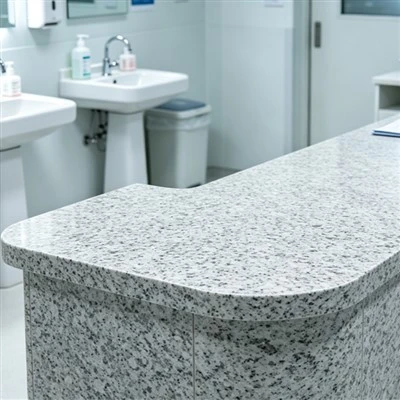
Now, quartz flooring specifically – let’s define that quick, because sometimes people mix it up with solid surface or laminate. Quartz floors are made of like 90% crushed natural quartz crystals, mixed with a resin binder, and then pressed super hard to make that solid, non-porous surface. The texture can vary a ton, though. Some are super smooth for a modern, minimalist look, and some have a bit of a matte or even patterned finish to add grip. That texture is the biggest factor for slip resistance, not just the material itself.
I’ll tell you straight: the average slip-resistance rating for our standard quartz flooring lines is right around 0.6 to 0.8 when tested dry. That’s good – most building codes say 0.5 or higher for indoor dry areas, like living rooms or hallways. But here’s the part most suppliers won’t tell you: wet quartz is a different story. For wet areas – bathrooms, showers, restaurant floors that get spilled on – the CoF drops, right? Our wet slip-resistance rating usually lands between 0.5 and 0.65, which is right at or above OSHA’s recommendation for commercial wet zones (OSHA says minimum 0.5 for high-traffic wet areas, which is why we design our commercial lines extra textured there).
Wait, let’s make sure I don’t mislead anyone – not all quartz is the same. We have three main lines, actually: our Home Basic line, which is for regular households, comes in a smooth finish that looks gorgeous in kitchens but has a dry CoF of ~0.62 and wet ~0.51, perfect for most families. Then our High-Traffic Commercial line – that’s for coffee shops, retail stores, offices – we add a micro-etched texture to the surface, so dry CoF is ~0.75, wet is ~0.63, which is actually above the ADA’s 0.6 recommendation for public indoor spaces. And then we have our Shower & Bathroom line, which has a more pronounced non-slip aggregate mixed in during manufacturing – that one clocks in at ~0.78 dry, ~0.68 wet, so no more slipping when you step out of the shower, which is a huge win for seniors or anyone who’s clumsy like me.
I know some of you are thinking, “Wait, what about vinyl or tile? Isn’t quartz more slippery?” Let’s compare real quick. A standard ceramic tile is usually around 0.55 dry, 0.4 wet – so our regular quartz is actually slippier than smooth tile but way better than polished marble, which can be as low as 0.4 wet. The thing with quartz is you can control the texture, which you can’t always do with polished stone. Like, you can’t polish marble to have a textured grip without ruining the look, but with quartz, we can adjust the manufacturing mix to add that grip without it looking rough or cheap.
But hold on, I need to be honest about limitations too. If you spill a lot of oily stuff – like cooking oil in the kitchen, or soda with syrup in a café – even our highest-rated quartz will have a lower CoF when wet with that. Oil breaks down the friction way more than water does. So for commercial kitchen areas, we always recommend pairing our quartz with a quick-dry mat, and reminding staff to wipe up spills fast – nothing is 100% slip-proof, no matter what the rating says. That’s why I always tell customers: the rating is a guide, not a get-out-of-jail-free card.
A lot of people ask if the rating changes over time, right? Like, does quartz get more slippery as it wears? For us, no – because the quartz crystals are so durable, they don’t wear down like vinyl or even some tile. The resin binder might scuff a tiny bit, but the surface stays consistent. We tested some of our floors that have been in a café for 5 years, and their CoF is still within 0.7-0.72, which is exactly what it was when we installed them. That’s a big plus over laminate, which can get slippery when the top layer starts to peel or wear thin.
Wait, let’s clarify the rating terms so you don’t get confused if you shop around. Some brands will just say “slip-resistant” – that’s marketing, not a real rating. Others will post their CoF numbers, which is the actual data you want. Avoid brands that just throw around vague terms like “maximum grip” – ask for their pendulum test results, wet and dry, because that’s the only way to know for sure. As a supplier, we give that info to every customer before they buy, no hoops to jump through – that’s just how we roll.
I’ve had customers come to us before saying they bought quartz from another brand that said it was slip-resistant, but when they spilled water, it was way slippery. Turns out that brand used a super smooth finish to cut costs, so their rating was way lower than they advertised. That’s why it’s important to work with a supplier who’s transparent about their testing, not just flashy ads.
So who should care about this rating? Everyone, honestly. If you’re a homeowner with toddlers who are always running, a senior citizen looking to update your bathroom, a café owner who can’t afford slip-and-fall accidents, or a school looking for durable flooring that’s safe for kids – you need to pay attention to that CoF number. Our quartz lines are designed to meet all those needs without sacrificing style, which is the biggest complaint I hear about other non-slip floors – they look ugly.
Another thing: building codes. A lot of places now require specific slip-resistance ratings for commercial spaces, especially public ones. For example, in the US, the ADA Standards for Accessible Design say a minimum CoF of 0.6 for indoor public use areas, and 0.8 for outdoor walkways. Our commercial line hits that 0.75 dry, which is above ADA, so it’s code-compliant for all public spaces. That’s a big deal for contractors or business owners who don’t want to deal with fines down the line.
I should also mention that there are other tests, like the inclined plane test, but the pendulum test is the most widely accepted and used these days, so that’s the one to trust. If a brand uses a different test, double-check what the units mean – they might be using a different scale that makes their rating look higher than it actually is. We only use the pendulum test because it’s straightforward and consistent every time, no tricks.
Now, let’s get back to real life, because I know numbers can be boring. Last year, we installed our Home Basic line for a family with two 3-year-olds who were always slipping in the kitchen. They told us after a month they haven’t had any spills that turned into falls, even when their little one spilled a cup of milk. That’s the stuff that matters, right? Not just a number on a spec sheet, but actual safety for people living their daily lives.
I also worked with a local bakery that was getting complaints about customers slipping near the espresso machine, where they spill water and oat milk all the time. We installed our Commercial line in that area, and they said within two weeks, no more complaints. The micro-texture gives enough grip without being rough on feet or making the bakery look industrial.
So to sum up the quick facts about quartz flooring slip-resistance:
- The rating is a CoF from pendulum testing, higher = less slippery.
- Dry indoor quartz: ~0.6-0.8, meets most home and commercial codes.
- Wet quartz (bathrooms, spills): ~0.5-0.68, ideal for high-wet areas when textured.
- Oily spills drop the rating lower, so prompt cleanup is always smart.
- Quality quartz keeps its rating over time, unlike cheaper alternatives.
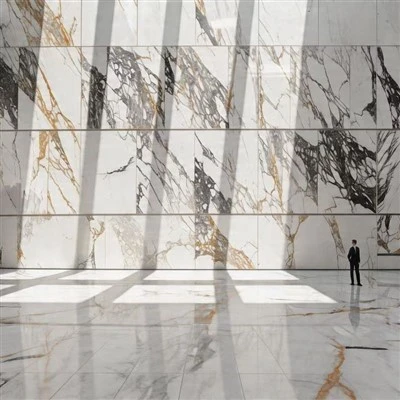
At the end of the day, when you’re choosing quartz flooring, don’t just look at color or price – ask about the actual slip-resistance testing, especially for the areas you’re putting it in. If you have questions about our lines, or need help figuring out which rating is right for your space, hit us up to chat. We’re not just here to sell you floors, we’re here to make sure they’re safe, durable, and look good too. No pressure, just honest answers, always.
Quartz Surface References
- Americans with Disabilities Act (ADA) Standards for Accessible Design, U.S. Department of Justice
- OSHA Slip Resistance Guidelines for Walking-Working Surfaces, Occupational Safety and Health Administration
- "Coefficient of Friction Testing Methods for Floor Surfaces," National Floor Safety Institute
- Quartz Flooring Manufacturing and Performance Data, International Surface Fabricators Association
Wuhu Junde New Material Technology Co., Ltd.
As one of the most experienced quartz flooring manufacturers and suppliers in China since 1998, we warmly welcome you to wholesale top-quality quartz flooring made in China here from our factory. If you have any enquiry about cooperation, please feel free to email us.
Address: No.8 Yulin Road, Xinwu Economic Development Zone, Anhui Province, China
E-mail: 1127319898@qq.com
WebSite: https://www.jundequartz.com/
