Hey there, I’m Jake, and I’ve been running a small but tight-knit yarn-dye scarf supply business for 8 years now. If you’ve ever wondered how that soft, color-blended scarf you spotted at a boutique or online actually comes to life—especially the ones where the colors don’t look like they were just printed on top of the fabric—you’re in the right place. Yarn-dye (sometimes called stock-dye, if you’ve heard that term) is a whole different game compared to regular piece-dyeing, and it’s the reason our scarves have that rich, muted, never-bleed color that regular dyed pieces just can’t match. I get asked all the time how we do it, so let’s break down the process like I’d explain it to a new partner or a friend who’s curious. Yarn-dye Scarf
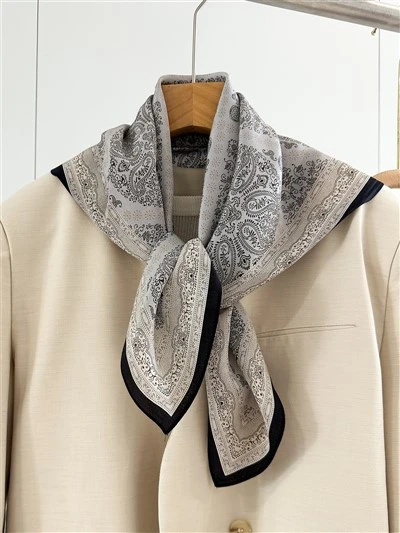
First off, let’s get one thing straight: yarn-dyeing starts way before there’s any actual fabric. Most people picture a big roll of white cloth getting dunked in dye, but that’s piece-dyeing. For yarn-dye, we’re working with raw yarn first—think those big, fluffy cones or hanks of fiber that haven’t been twisted into thread yet. And trust me, skipping this step would make all the difference in how the final scarf feels and looks.
Step 1: We pick the right yarn, no exceptions. This is non-negotiable for us. Not all yarns take dye the same way, so we only source from mills we’ve worked with for years—no random bulk buys from Alibaba (nothing against it, but consistency is everything). 90% of our scarves use either 100% cotton, 100% modal, or a super soft cotton-modal blend. Cotton is classic, holds dye really well, and gets softer with every wash. Modal is a beech tree fiber, way silkier than cotton, so it makes those lightweight, drapey scarves that sell like hotcakes in spring. We never mix acrylic or polyester in our base yarns because they just don’t take dye evenly—you get weird splotches, and they don’t breathe. Once we pick the yarn, we test it for shrinkage too—nothing worse than a scarf that’s an inch too short after the first wash. That means we pre-treat it right away, actually. Pre-treatment is just us running the yarn through a mild, eco-friendly detergent to get rid of any natural waxes or oils that the mill added to keep it from breaking during shipping. If we skip that, the dye just beads up on the surface and never sticks.
Step 2: Dyeing the yarn—and this is where it gets specific to our brand, because we use reactive dyes, not those harsh acid ones that smell like a chemical plant. Reactive dyes bond right to the fiber molecules, so the color doesn’t fade even after 50 washes, and they’re way better for the environment (big win for my team, who don’t want to wear a gas mask in the dye room). Now, here’s the fun part for custom or mixed colors: if someone wants a scarf with soft blue and white streaks, we don’t just dye half the yarn blue and half white. Wait, we do do that sometimes for solids, but for the marbled or heathered effects people love? We hand-tie sections of the wet yarn with cotton string before we put it in the dye bath. That way, the dye can’t get into the tied parts, so you get that natural, uneven blend instead of a stark line. We also size the dye bath exactly—no guessing. If a client wants a dusty lavender instead of neon purple, we measure the dye powder to the gram, add soft water (hard water messes up dye consistency), and heat it to 140°F, no hotter. Too hot, and the fiber breaks; too cold, and the dye doesn’t bond. For yarn that’s dyed solid, we let it sit in the bath for 45 minutes, then rinse until the water runs clear. For the hand-tied pieces, we take off the string, rinse again, and let it air-dry on racks outside (good weather, of course—we don’t use a dryer here, it messes up the softness).
Step 3: Twisting and plying the dyed yarn. Wait, we just dyed the single strands—now we twist them together. If you’ve ever bought a scarf that’s pilling like crazy, it’s because the yarn was twisted too loosely. We ply two or three dyed strands together, depending on the scarf weight. Lightweight scarves get two plies, thick winter ones get three. This step is also where we make sure the color is consistent across all the yarn cones. We pull a sample from every batch, hold it next to a master color swatch we keep, and if it’s even a tiny bit off, we redo that batch. No cutting corners here—if a client orders 1,000 scarves in sage green, every single one has to be the same sage. Once twisted, the yarn goes through a warping process, which is basically arranging all the yarn cones in order on a big frame so when we weave, the pattern lines up. For a striped scarf, the order of the blue and white yarn has to be exact, or you’ll get a stripe that’s crooked by half an inch. That’s the part our warping tech has 15 years of experience—she’s seen it all, and she catches mistakes before they even get to the loom.
Step 4: Weaving the fabric. This is where the yarn becomes actual fabric, and it’s not just sticking the yarn on a loom and pressing go. We use air-jet looms for most of our pieces—they’re fast, but gentle, so the yarn doesn’t snag. For super delicate modal scarves, we use a shuttle loom, which is slower but gives a smoother, more even weave. We set the loom to a specific thread count, too: 120 threads per inch for cotton scarves, 110 for modal. Higher thread count means the fabric is sturdier, doesn’t tear when you wrap it, and holds the dye better. Once the fabric is woven, we do a quick check for snags, loose threads, or any off-color spots that slipped through. I’d say about 3% of each woven batch gets tossed—better to waste a little fabric than send out something my team wouldn’t buy themselves.
Step 5: Post-weave pre-treatment and final dye touch-ups. Wait, I thought we were done dyeing? Nope, sometimes the edges of the fabric don’t absorb dye the same way as the main body, or a small spot got missed during yarn dyeing. So we run the entire fabric through a soft dye bath—this is a “finish dye,” not a full dye, just to even out any small inconsistencies. We also do a desizing step here: the loom uses a tiny bit of starch to keep the yarn from breaking while weaving, and we have to get that out before we finish the scarf. If we don’t, the scarf will feel stiff, and the starch will wash out in the first wash, leaving white spots. Another quick rinse with eco-detergent, then hang dry—again, no dryer. Dryer heat breaks down fiber and makes it pill.
Step 6: Finishing and quality control. This is the step that makes our scarves feel special, not just a piece of fabric. First, we cut the fabric to size—standard is 70x180cm, but we do custom sizes for brands too. We use rotary cutters for straight edges, not scissors, so every scarf is exactly the same length. Then, we hem the edges by hand or with a narrow sewing machine—machines leave thick, bulky hems that dig into your neck, so hand hems are our go-to. For frayed-edge scarves, we leave a little extra fabric on the edges, then gently pull loose threads to create that soft, worn look (no fraying so much that it falls apart, though—we test that too). Finally, we do a wash test: we throw a random sample of every 100 scarves in a cold wash, tumble dry on low, and check for fading, shrinkage, or pilling. If it shrinks more than 2%, we adjust the next batch. If it fades, we go back to the dye lab and tweak the reactive dye mix.
Now, let’s cut the crap: yarn-dye scarves are more expensive than piece-dye ones, and for good reason. We spend weeks on the yarn, not hours on fabric. The dye is more eco-friendly, the process is more labor-intensive, and we test every step to make sure the quality is there. When a customer buys one of our scarves, they’re not just buying a piece of cloth—they’re buying 8 years of knowing how to get the color right, how to pick the right yarn, and how to make something that lasts.
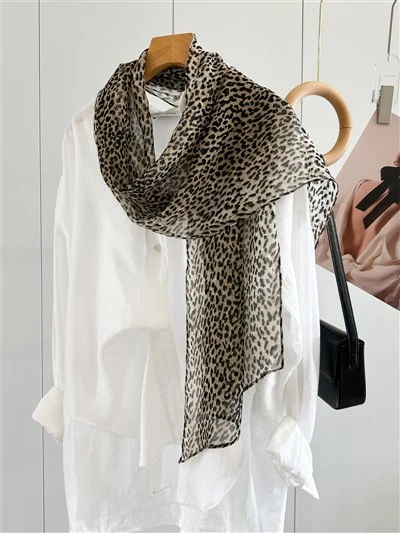
If you’re a boutique owner, brand rep, or anyone looking to source yarn-dye scarves that don’t fade, pill, or feel scratchy, let’s chat. No pressure, no jargon—we can send you samples, walk through the process in more detail, or adjust designs to fit your brand. We work with small boutique lines and large retail brands alike, so whether you need 50 scarves or 50,000, we’ve got you. Just reach out, and let’s make something great.
Lightweight Shawl References
- Textile Institute. (2021). Principles of Yarn Dyeing: Reactive Dye Application for Cellulosic Fibers. Textile Progress.
- Smith, A. (2022). Sustainable Weaving Practices for Small-Scale Scarf Manufacturers. Journal of Fashion and Textiles.
- Lee, S. (2020). Quality Control in Yarn-Dyed Textiles: Best Practices for Color Consistency. International Journal of Clothing Science and Technology.
Deqing Boliya Silk Co., Ltd.
Deqing Boliya Silk Co., Ltd. is one of the most professional yarn-dye scarf manufacturers and suppliers in China, featured by quality products and good service. Please rest assured to wholesale the newest yarn-dye scarf in stock here and get quotation from our factory. We also accept customized orders.
Address: Baibiao Industrial Zone, Xinshi Town, Deqing County, Zhejiang Province, China
E-mail: boliya@boliyasilk.com
WebSite: https://www.boliyasilk.com/
