As a supplier of Collaborative Palletizing Robots, I’ve witnessed firsthand the transformative impact these machines can have on various industries. These robots streamline operations, enhance efficiency, and reduce the physical strain on human workers. However, to fully capitalize on their potential, it’s crucial to optimize their operation. In this blog post, I’ll share some insights and strategies on how to achieve this. Collaborative Palletizing Robot

Understanding the Basics of Collaborative Palletizing Robots
Before delving into optimization techniques, it’s essential to have a solid understanding of how collaborative palletizing robots work. These robots are designed to work alongside human operators in a shared workspace, offering flexibility and safety. They are equipped with advanced sensors and algorithms that enable them to detect and adapt to their environment, allowing them to perform tasks such as picking, placing, and stacking products with precision.
The key components of a collaborative palletizing robot system include the robot arm, end – effector (such as a gripper), vision system, and control software. Each component plays a vital role in the overall performance of the robot, and optimizing them is crucial for efficient operation.
1. Proper Installation and Configuration
The first step in optimizing the operation of a collaborative palletizing robot is to ensure proper installation and configuration. This involves choosing the right location for the robot, considering factors such as floor space, access to power and communication lines, and proximity to the products being palletized.
The robot must be installed on a stable and level surface to prevent vibrations, which can affect its accuracy. Additionally, the end – effector should be carefully calibrated to ensure that it can grip and handle products of different shapes, sizes, and weights effectively.
The control software also needs to be configured correctly. This includes setting up the desired palletizing patterns, specifying the product dimensions, and defining the work cycle time. By fine – tuning these parameters, you can optimize the robot’s performance and maximize its productivity.
2. Selecting the Right End – Effector
The end – effector is the interface between the robot and the products being palletized. Choosing the right end – effector is crucial for efficient operation. There are several types of end – effectors available, including vacuum grippers, mechanical grippers, and magnetic grippers.
Vacuum grippers are ideal for handling smooth and flat objects, such as boxes and bags. They work by creating a vacuum seal on the surface of the product, allowing the robot to pick it up securely. Mechanical grippers, on the other hand, are more versatile and can handle objects of various shapes and sizes. They use mechanical fingers or jaws to grip the product. Magnetic grippers are suitable for handling ferrous materials.
When selecting an end – effector, consider the characteristics of the products being palletized, such as their weight, shape, texture, and surface finish. Additionally, ensure that the end – effector is compatible with the robot’s payload capacity and mounting interface.
3. Incorporating Vision Systems
Vision systems are becoming increasingly important in the optimization of collaborative palletizing robots. These systems use cameras and sensors to provide the robot with visual feedback, allowing it to detect and locate products accurately. This is particularly useful when dealing with products that are not in a fixed position or when there are variations in product orientation.
A vision system can also be used to perform quality control checks during the palletizing process. For example, it can detect missing or damaged products and reject them before they are palletized. This helps to ensure the quality of the final palletized product and reduces the likelihood of customer complaints.
To optimize the performance of the vision system, it’s important to calibrate it properly. This involves adjusting the camera settings, such as focus, exposure, and resolution, to ensure that it can accurately capture the images of the products. Additionally, the vision system’s software should be configured to recognize the specific products being palletized and to apply the appropriate algorithms for product detection and location.
4. Training the Operators
Even the most advanced collaborative palletizing robot will not perform optimally without well – trained operators. Operators need to have a good understanding of how the robot works, including its controls, programming, and maintenance requirements.
Provide comprehensive training to the operators on the safe and efficient operation of the robot. This training should cover topics such as basic robot operation, programming of palletizing patterns, troubleshooting common issues, and maintenance procedures. By investing in operator training, you can improve the overall productivity of the robot and reduce the risk of accidents and downtime.
5. Routine Maintenance and Inspection
Regular maintenance and inspection are essential for keeping the collaborative palletizing robot in optimal condition. This includes checking the robot’s mechanical components, such as the joints, bearings, and gears, for wear and tear. Lubricate the moving parts as recommended by the manufacturer to reduce friction and prevent premature failure.
Inspect the electrical and electronic components, such as the sensors, cables, and control panels, for any signs of damage or malfunction. Replace any faulty components immediately to avoid further issues.
In addition to routine maintenance, it’s also important to perform periodic calibration of the robot’s sensors and components. This ensures that the robot maintains its accuracy and repeatability over time.
6. Analyzing and Optimizing the Workflow
To further optimize the operation of the collaborative palletizing robot, it’s important to analyze and improve the overall workflow. This involves identifying any bottlenecks or inefficiencies in the process and implementing solutions to address them.
For example, if the robot is spending too much time waiting for products to arrive, you can consider implementing a more efficient material handling system, such as a conveyor belt or an automated guided vehicle (AGV). This can help to reduce the idle time of the robot and increase its productivity.
You can also analyze the palletizing patterns to ensure that they are the most efficient for the products being handled. Sometimes, a simple change in the stacking pattern can significantly improve the use of space on the pallet and reduce the number of pallets required.
7. Integration with Other Systems
Collaborative palletizing robots can be integrated with other systems in the production line, such as warehouse management systems (WMS) and enterprise resource planning (ERP) systems. This integration allows for seamless communication and data exchange between different parts of the operation, enabling better coordination and optimization.
For example, by integrating the robot with the WMS, the robot can receive real – time information about the inventory levels and the location of products in the warehouse. This allows the robot to prioritize its tasks and palletize the products more efficiently.
Conclusion
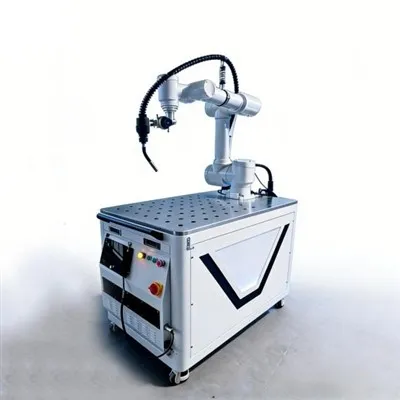
Optimizing the operation of a collaborative palletizing robot requires a comprehensive approach that includes proper installation, selection of the right components, training of operators, routine maintenance, workflow analysis, and system integration. By following these strategies, you can maximize the productivity, efficiency, and reliability of your collaborative palletizing robot.
Six-Axis Collaborative Robot If you’re interested in improving your palletizing operations with our Collaborative Palletizing Robots or have any questions about optimization techniques, we’d love to discuss your specific needs. Contact us to start a conversation about how our solutions can transform your business.
References
- "Industrial Robotics: Technology, Programming, and Applications" by Peter Corke.
- "Automated Material Handling Systems: A Guide to Design, Implementation, and Optimization" by the Material Handling Industry of America.
- Technical documentation and whitepapers from leading collaborative robot manufacturers.
Xinweilai Intelligent Technology (Shandong) Co., Ltd.
As one of the most professional collaborative palletizing robot manufacturers and suppliers in China, we’re featured by quality products and good service. Please rest assured to wholesale bulk customized collaborative palletizing robot from our factory. For pricelist and quotation, contact us now.
Address: Jinghua Road, Economic and Technical Development Zone, Dezhou City, Shandong Province
E-mail: liujiqing@xinweilaiznkj.com
WebSite: https://www.xinweilaiznkj.com/
