Hey there! I’m a supplier in the low voltage switchgear game, and I often get asked about the test items for low voltage switchgear. So, I thought I’d break it down for you in this blog post. Low Voltage Switchgear
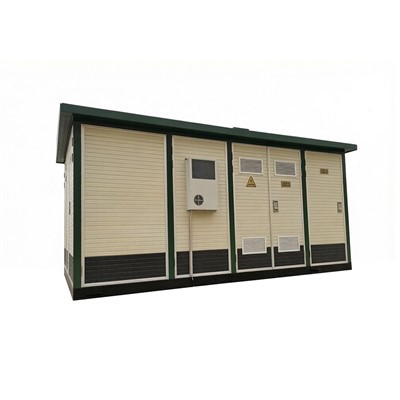
1. Visual Inspection
First up, we’ve got the visual inspection. It might sound simple, but it’s super important. When we’re looking at a low – voltage switchgear, we check for any obvious signs of damage. This includes cracks in the enclosure, bent or broken parts, and loose connections.
We also look at the finish of the switchgear. A good finish not only looks nice but also protects the equipment from corrosion. If there are any scratches that expose the metal underneath, it could lead to rusting over time, which can seriously affect the performance and lifespan of the switchgear.
Another thing we check during the visual inspection is the labeling. The switchgear should have clear labels indicating the different circuits, ratings, and safety instructions. If the labels are faded or missing, it can be a real headache for the people who need to operate and maintain the equipment.
2. Electrical Continuity Test
Next on the list is the electrical continuity test. This test is all about making sure that the electrical current can flow smoothly through the switchgear. We use a multimeter to measure the resistance between different points in the circuit.
If there’s a high resistance, it could mean there’s a loose connection, a damaged wire, or a faulty component. For example, if the resistance between two terminals is much higher than it should be, it could be because the connector is not tightened properly. In a low – voltage switchgear, even a small increase in resistance can cause overheating, which can lead to a fire hazard.
We perform this test on all the conductors, buses, and connections within the switchgear. This helps us identify any potential problems before the switchgear is put into use.
3. Insulation Resistance Test
The insulation resistance test is crucial for ensuring the safety of the low – voltage switchgear. The insulation in the switchgear is what prevents the electrical current from leaking out and causing shocks or short – circuits.
We use an insulation resistance tester, also known as a megger, to measure the resistance of the insulation. A high insulation resistance value indicates that the insulation is in good condition. If the value is too low, it means there might be moisture, dirt, or damage to the insulation.
Moisture can seep into the switchgear, especially in humid environments. This can reduce the insulation resistance and increase the risk of electrical faults. Dirt and dust can also accumulate on the insulation, causing it to break down over time.
4. Dielectric Strength Test
The dielectric strength test is a bit more intense. It’s designed to check if the insulation in the switchgear can withstand high voltages without breaking down. We apply a higher – than – normal voltage to the switchgear for a specific period of time.
If the insulation is good, it should be able to handle this increased voltage without any issues. However, if there are any weak spots in the insulation, a breakdown can occur. This can result in a short – circuit or other electrical problems.
This test is usually carried out in a controlled environment, and strict safety precautions are taken. It’s not something you want to mess around with, as high – voltage testing can be dangerous.
5. Temperature Rise Test
The temperature rise test is all about how the switchgear behaves under normal operating conditions. When the switchgear is in use, electrical current flowing through the conductors generates heat. If the heat isn’t dissipated properly, it can cause the components to overheat and fail.
We monitor the temperature of different parts of the switchgear, such as the buses, contacts, and circuit breakers, while it’s operating at its rated current. If the temperature rise exceeds the specified limits, it could mean there are issues with the design, installation, or the quality of the components.
For example, if the contacts are not making good electrical contact, it can cause increased resistance and more heat generation. This test helps us ensure that the switchgear can operate safely and efficiently for a long time.
6. Short – Circuit Withstand Capacity Test
The short – circuit withstand capacity test is one of the most important tests for low – voltage switchgear. In a real – world scenario, a short – circuit can occur due to various reasons, such as a fault in the electrical system or a damaged component.
The switchgear needs to be able to withstand the high currents and mechanical stresses that come with a short – circuit. During this test, we simulate a short – circuit condition and measure how the switchgear responds.
We check if the switchgear can interrupt the short – circuit current within the specified time and if it can maintain its structural integrity. If the switchgear fails this test, it can cause widespread electrical problems and even pose a danger to people and property.
7. Operational Test
Last but not least, we have the operational test. This test is all about making sure that the switchgear functions as it’s supposed to. We test all the control circuits, protection devices, and switching mechanisms.
We operate the circuit breakers, contactors, and other switching devices multiple times to check for smooth operation. We also test the protection functions, such as over – current protection and under – voltage protection.
If the protection devices don’t work correctly, it can lead to equipment damage or even electrical accidents. For example, if the over – current protection doesn’t trip when there’s a high current, it can cause the conductors to overheat and potentially start a fire.
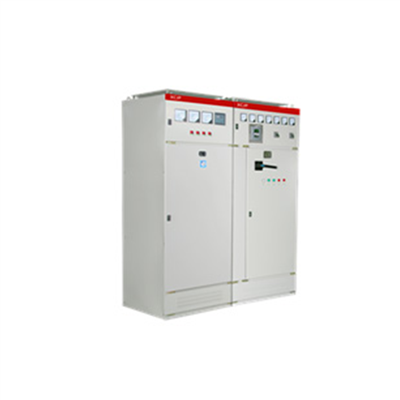
So, there you have it! These are the main test items for low – voltage switchgear. As a supplier, we take these tests very seriously. We want to make sure that the switchgear we provide is of the highest quality and can operate safely and reliably.
High Voltage Switchgear If you’re in the market for low – voltage switchgear, whether it’s for a new project or to replace old equipment, I’d love to have a chat with you. We’ve got a wide range of switchgear options to suit different needs and budgets. Just reach out, and we can start discussing how we can meet your requirements.
References
- Electrical Equipment Testing Handbook
- Standards for Low Voltage Switchgear and Controlgear Assemblies
Anhui Xinchen Electrical Equipment Co., Ltd.
We are one of the most reliable low voltage switchgear manufacturers and suppliers in China, specialized in providing high quality customized products. We warmly welcome you to buy bulk low voltage switchgear for sale here from our factory. Contact us for quotation.
Address: No. 8, Waihuan South Road, Economic and Technical Development Zone, Ningguo City, Xuancheng City, Anhui Province
E-mail: xinchen0316@126.com
WebSite: https://www.cn-xinchen.com/
