When it comes to high-flow and low-head water pumping applications, the suitability of a cast iron diesel water pump is a question that many potential users and industry professionals often ask. As a supplier of cast iron diesel water pumps, I have had extensive experience dealing with various types of pumping scenarios, and I am well-positioned to provide an in-depth analysis of this topic. Cast Iron Diesel Water Pump
Understanding High-Flow and Low-Head Applications
Before delving into the suitability of cast iron diesel water pumps for high-flow and low-head applications, it is crucial to understand what these terms mean. High-flow refers to the ability of a pump to move a large volume of water within a given time frame. This is typically measured in gallons per minute (GPM) or cubic meters per hour (m³/h). Low-head, on the other hand, pertains to the vertical distance that the water needs to be lifted or the pressure against which the pump has to work. It is usually measured in feet or meters of head.
High-flow and low-head applications are common in a variety of settings. For example, in flood control and drainage operations, large volumes of water need to be quickly removed from low-lying areas. In agricultural irrigation, where water needs to be distributed over a large area with minimal elevation change, high-flow and low-head pumps are also essential. Additionally, in some industrial processes, such as cooling systems or water transfer within a facility, high-flow and low-head pumping is required to maintain efficient operations.
Advantages of Cast Iron Diesel Water Pumps for High-Flow and Low-Head Applications
Durability and Robustness
Cast iron is a well-known material for its durability and strength. In high-flow applications, where the pump is constantly handling large volumes of water, the pump components are subjected to significant stress and wear. A cast iron diesel water pump can withstand these harsh operating conditions better than pumps made from other materials. The thick walls of cast iron provide excellent resistance to abrasion, corrosion, and impact, ensuring a long service life even in demanding environments.
For instance, in flood-prone areas where the water may contain sediment, debris, and other abrasive particles, a cast iron pump is less likely to be damaged compared to a pump made of plastic or lightweight metals. The robust construction of cast iron also allows the pump to handle sudden changes in flow rate and pressure without suffering from structural failures.
High-Flow Capability
Diesel engines are known for their high torque output, which makes them ideal for driving pumps in high-flow applications. The power generated by a diesel engine can be effectively transferred to the pump impeller, enabling the pump to move large volumes of water at a relatively high speed. Cast iron diesel water pumps are designed with large impellers and volutes to accommodate the high flow rates required in these applications.
The impeller design plays a crucial role in determining the pump’s flow capacity. A well-designed impeller can efficiently convert the mechanical energy from the diesel engine into hydraulic energy, resulting in a high flow rate. Additionally, the large volute of a cast iron diesel water pump provides a smooth flow path for the water, reducing turbulence and improving the overall efficiency of the pump.
Low-Head Efficiency
In low-head applications, the pump does not need to work against a significant pressure to lift the water. Cast iron diesel water pumps are optimized for these types of scenarios. They are designed to operate at relatively low pressure differentials, which means they can achieve high flow rates with less energy consumption.
The efficiency of a pump is an important consideration, especially in applications where the pump needs to run for extended periods. A cast iron diesel water pump can provide a high level of efficiency in low-head applications, resulting in lower operating costs. The diesel engine’s fuel efficiency also contributes to the overall cost-effectiveness of the pump system.
Mobility and Independence
One of the significant advantages of diesel-powered water pumps is their mobility and independence from the electrical grid. In many high-flow and low-head applications, such as flood control and remote agricultural irrigation, access to electricity may be limited or non-existent. A cast iron diesel water pump can be easily transported to the site and operated without the need for a power source other than diesel fuel.
Diesel engines are also known for their reliability and ability to start quickly in various weather conditions. This makes them suitable for emergency situations, such as flood response, where the pump needs to be operational immediately. The mobility of cast iron diesel water pumps also allows them to be used in multiple locations, providing a flexible solution for different pumping needs.
Considerations and Limitations
While cast iron diesel water pumps offer many advantages for high-flow and low-head applications, there are also some considerations and limitations that need to be taken into account.
Noise and Emissions
Diesel engines produce noise and emissions during operation. In some applications, such as in residential areas or environmentally sensitive locations, the noise and emissions from a diesel water pump may be a concern. However, modern diesel engines are designed to meet strict emission standards, and there are also noise reduction measures available, such as enclosures and mufflers, to minimize the impact of noise.
Maintenance Requirements
Cast iron diesel water pumps require regular maintenance to ensure optimal performance and longevity. The diesel engine needs to be serviced according to the manufacturer’s recommendations, including oil changes, filter replacements, and tune-ups. The pump itself also needs to be inspected for wear and tear, and any damaged components should be replaced promptly.
Initial Cost
Compared to some other types of pumps, such as electric pumps, cast iron diesel water pumps generally have a higher initial cost. This is due to the cost of the diesel engine, the cast iron materials, and the more complex design. However, the long-term benefits of durability, high performance, and mobility often outweigh the initial investment.
Conclusion
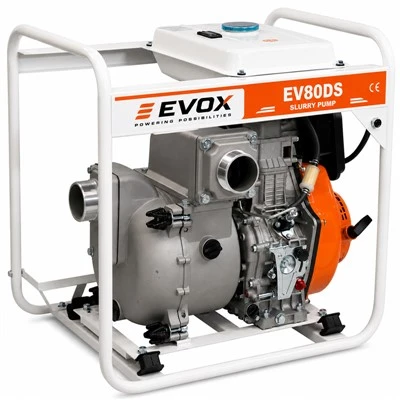
In conclusion, cast iron diesel water pumps are highly suitable for high-flow and low-head applications. Their durability, high-flow capability, low-head efficiency, mobility, and independence make them an excellent choice for a wide range of pumping scenarios, including flood control, agricultural irrigation, and industrial processes. While there are some considerations and limitations, such as noise and emissions, maintenance requirements, and initial cost, these can be managed with proper planning and selection of the right pump.
Diesel High Pressure Water Pump If you are considering a high-flow and low-head pumping solution for your project, I encourage you to contact me to discuss your specific requirements. I can provide you with detailed information about our cast iron diesel water pumps, including their specifications, performance, and pricing. Our team of experts is also available to offer technical support and advice to ensure that you choose the most suitable pump for your application. Let’s work together to find the best pumping solution for your needs.
References
- "Diesel Engine Handbook" by Richard Stone
- "Pump Handbook" by Igor Karassik et al.
- "Mechanical Engineering Design" by Joseph E. Shigley and Charles R. Mischke
Evoxpower Technology
Evoxpower Technology is one of the most professional cast iron diesel water pump manufacturers and suppliers in China, featured by quality products and good service. Please rest assured to buy the newest cast iron diesel water pump in stock here and get pricelist from our factory. Contact us for customized service and OEM service.
Address: 11 Fortune Avenue, Yubei District, Chongqing, China
E-mail: stephen@allrightpower.com
WebSite: https://www.evoxpower.com/
