What is the maintenance cycle of Central Drive Thickener?
As a supplier of Central Drive Thickeners, I’ve had the privilege of working closely with these remarkable pieces of equipment across various industries. Central Drive Thickeners are at the heart of many solid – liquid separation processes, vital for operations in mining, wastewater treatment, and other sectors. Understanding their maintenance cycle is crucial for ensuring optimal performance, longevity, and cost – effectiveness. Central Drive Thickener
Understanding the Central Drive Thickener
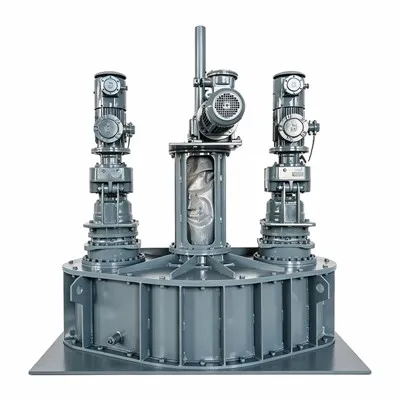
Before diving into the maintenance cycle, it’s important to briefly understand what a Central Drive Thickener is. A Central Drive Thickener is a large, circular tank used for the sedimentation of solids from a liquid suspension. The central drive mechanism rotates a rake system at the bottom of the tank. This rake helps in collecting and concentrating the settled solids and moving them towards the center of the tank for discharge, while the clarified liquid overflows at the top.
The components of a Central Drive Thickener include the tank itself, the central drive unit, the rake arm assembly, the feed well, and the underflow discharge system. Each of these components has specific maintenance requirements, and the overall maintenance cycle is designed to keep them all in good working condition.
Initial Installation and Commissioning Checks
The maintenance cycle of a Central Drive Thickener actually begins before it even starts normal operation. During the installation process, a series of checks must be carried out. The foundation of the thickener tank should be inspected to ensure it is level and can support the weight of the thickener when filled. The central drive unit needs to be precisely aligned to prevent excessive wear on the mechanical components.
Once the installation is complete, a commissioning process is carried out. This includes a thorough review of all electrical systems, checking for proper wiring, grounding, and functionality. The rake arm assembly is rotated at a slow speed to verify proper movement and to detect any potential binding or misalignment. All valves and piping associated with the feed well and underflow discharge system are inspected for leaks and correct operation. These initial checks set the stage for a smooth – running thickener and can prevent many potential problems in the long run.
Short – Term Maintenance (Daily – Weekly)
Daily Checks
- Visual Inspections: Operators should perform daily visual inspections of the Central Drive Thickener. Check the rake arm for any signs of damage, such as bent blades or loose connections. Also, visually inspect the discharge of the underflow and the overflow clarity. A sudden change in either can indicate a problem with the thickening process or a mechanical issue.
- Electrical and Control Systems: Monitor the electrical panels for any warning lights or abnormal readings. Ensure that the control system is functioning correctly, as it regulates the speed of the central drive and other critical parameters.
- Lubrication Levels: Check the lubrication levels in the central drive unit. Proper lubrication is essential for reducing friction and preventing premature wear of gears and bearings.
Weekly Checks
- Rake Torque Monitoring: Measure the rake torque on a weekly basis. An increase in rake torque can be an early sign of problems such as excessive solids build – up in the tank or a mechanical issue with the rake arm.
- Pump and Valve Functionality: Test the pumps and valves in the feed and discharge systems. Make sure they are operating at the correct pressure and flow rates. Check for any signs of leaks around the pump seals and valve connections.
Medium – Term Maintenance (Monthly – Quarterly)
Monthly Maintenance
- Belt and Chain Tension: If the Central Drive Thickener uses belts or chains in its drive mechanism, check their tension monthly. Over – or under – tightened belts or chains can cause excessive wear and reduce the efficiency of the drive system.
- Filter Cleaning: Clean the filters in the hydraulic and lubrication systems. Clogged filters can restrict the flow of fluids, leading to overheating and damage to components.
- Inspection of Structural Components: Inspect the steel structure of the thickener, including the support frame and the tank walls. Look for signs of corrosion, cracking, or deformation. Any deterioration in the structure can compromise the integrity of the thickener.
Quarterly Maintenance
- Gearbox Inspection: Open the gearbox for a quarterly inspection. Check the gears for wear, pitting, or chipping. Replace any damaged gears and ensure that the gearbox is filled with the correct type and amount of lubricant.
- Alignment Checks: Re – check the alignment of the central drive unit and the rake arm assembly. Misalignment can cause uneven wear on the drive components and reduce the overall performance of the thickener.
Long – Term Maintenance (Annually – Biannually)
Annual Maintenance
- Motor and Drive System Overhaul: Have a professional perform a complete overhaul of the motor and drive system. This includes checking the motor windings, bearings, and brushes. Replace any worn – out components to ensure reliable operation.
- Tank Coating Inspection and Repair: Inspect the interior coating of the thickener tank. The coating protects the tank from corrosion caused by the process fluids. If any areas of the coating are damaged or worn, repair or re – coat the affected areas.
- Ultrasonic Testing: Conduct ultrasonic testing on critical structural components such as the tank walls and the support beams. This non – destructive testing method can detect internal flaws or thinning of the metal, which may not be visible during a visual inspection.
Biannual Maintenance
- Rake Arm Replacement: Depending on the usage and the nature of the process materials, the rake arm may need to be replaced every two years. Over time, the rake blades can wear down, reducing their effectiveness in collecting and moving the settled solids.
- Upgrade of Control Systems: Consider upgrading the control systems every two years. Newer control technologies can improve the efficiency and automation of the thickener operation, allowing for better process control and reduced energy consumption.
Importance of a Regular Maintenance Cycle
A well – defined maintenance cycle offers several significant advantages. Firstly, it helps to prevent unexpected breakdowns. A Central Drive Thickener is a key component in many industrial processes, and an unscheduled shutdown can lead to significant production losses. By carrying out regular maintenance, potential problems can be identified and addressed before they cause a complete failure.
Secondly, regular maintenance extends the lifespan of the thickener. The various components of the thickener are subject to wear and tear over time. Proper lubrication, alignment checks, and component replacements can slow down this deterioration, ensuring that the thickener can operate effectively for many years.
Finally, a well – maintained thickener operates more efficiently. When all components are in good working condition, the thickening process can achieve better separation efficiency, resulting in higher – quality clarified liquid and more concentrated solids discharge. This can lead to cost savings in terms of energy consumption and chemical usage.
Contact Us for Your Central Drive Thickener Needs

If you’re in the market for a Central Drive Thickener or need advice on maintaining your existing equipment, we’re here to help. Our team of experts has years of experience in the design, manufacture, and maintenance of Central Drive Thickeners. We understand the unique requirements of different industries and can provide customized solutions to meet your specific needs.
Vertical Mixer Whether you’re looking for a new thickener installation or require support for your current maintenance program, we’re just a message away. Reach out to us today to start a conversation about how we can assist you in optimizing your solid – liquid separation processes.
References
- Perry’s Chemical Engineers’ Handbook, 8th Edition
- Mineral Processing Design and Operations: An Introduction, by Barry A. Wills and Tim Napier – Munn
- Wastewater Engineering: Treatment and Resource Recovery, 5th Edition
Shandong Ningye Machinery Equipment Co., Ltd.
Shandong Ningye Machinery Equipment Co., Ltd. is one of the most reliable central drive thickener manufacturers and suppliers in China. With abundant experience, we warmly welcome you to buy discount central drive thickener made in China here from our factory. Quality products and low price are available.
Address: Workshop No. 16, Dongcao Village Industrial Park, Guangda East Road, Songguantun Subdistrict, Economic and Technical Development Zone, Dezhou City, Shandong Province
E-mail: ningyejixie@163.com
WebSite: https://www.cn-ningye.com/
