Hey there! I’m a supplier of rubber seals, and today I wanna chat about how these little guys perform in low-pressure environments. You might be thinking, "Why does it matter?" Well, whether you’re in the automotive, aerospace, or industrial world, understanding how rubber seals work under low pressure can save you a ton of headaches and cash. Rubber Seals

First off, let’s talk about what low pressure actually means. In general, low pressure is considered to be anything below 100 psi (pounds per square inch). That’s way less than the pressure you’d find in a car tire, which is usually around 30 – 35 psi. In low-pressure environments, rubber seals face different challenges compared to high-pressure situations.
One of the key factors that affects how rubber seals perform in low-pressure environments is the material they’re made of. There are several types of rubber used for seals, each with its own set of properties. For example, nitrile rubber (NBR) is a popular choice because it’s resistant to oil, fuel, and other chemicals. It also has good flexibility and can maintain its shape well under low pressure. Silicone rubber, on the other hand, is known for its high-temperature resistance and excellent sealing properties. It’s often used in applications where there’s a need for a tight seal at low pressures.
When it comes to low-pressure environments, the flexibility of the rubber seal is crucial. A seal that’s too rigid won’t be able to conform to the surfaces it’s supposed to seal, which can lead to leaks. That’s why materials like NBR and silicone are great for low-pressure applications. They can easily adapt to the shape of the mating surfaces, creating a tight seal that prevents any fluid or gas from escaping.
Another important aspect is the design of the rubber seal. In low-pressure environments, a simple design can often be more effective than a complex one. For instance, a basic O-ring is a common type of rubber seal that works well in low-pressure situations. It’s easy to install and can provide a reliable seal. The cross-sectional shape of the O-ring also plays a role. A circular cross-section is the most common, but there are other shapes available, like square or rectangular, that can be used depending on the specific application.
Now, let’s talk about some of the challenges that rubber seals face in low-pressure environments. One of the main issues is the potential for extrusion. Extrusion occurs when the rubber seal is forced out of its groove due to pressure. In low-pressure situations, this might not seem like a big deal, but it can still happen if the seal isn’t properly designed or installed. To prevent extrusion, it’s important to choose the right seal material and ensure that the groove dimensions are correct.
Another challenge is the effect of temperature on the rubber seal. In low-pressure environments, temperature changes can have a significant impact on the performance of the seal. For example, if the temperature drops too low, the rubber can become brittle and lose its flexibility. This can lead to cracks and leaks. On the other hand, if the temperature is too high, the rubber can soften and deform, also causing sealing problems. That’s why it’s important to choose a rubber material that can withstand the temperature range of the application.
In addition to material and design, the installation process also plays a crucial role in how rubber seals perform in low-pressure environments. A poorly installed seal can lead to leaks and premature failure. When installing a rubber seal, it’s important to clean the mating surfaces thoroughly to remove any dirt, debris, or oil. This ensures that the seal can make good contact with the surfaces and create a tight seal. It’s also important to use the right tools and techniques to install the seal properly. For example, when installing an O-ring, it’s important to make sure that it’s not twisted or stretched during the installation process.
So, how can you tell if a rubber seal is performing well in a low-pressure environment? One way is to look for signs of leakage. If you notice any fluid or gas escaping from the sealed area, it’s a clear indication that the seal isn’t working properly. You can also check the condition of the seal itself. If it’s cracked, deformed, or showing signs of wear, it might need to be replaced.
In conclusion, rubber seals can perform well in low-pressure environments as long as you choose the right material, design, and installation method. By understanding the challenges and taking the necessary precautions, you can ensure that your rubber seals provide a reliable and long-lasting seal.
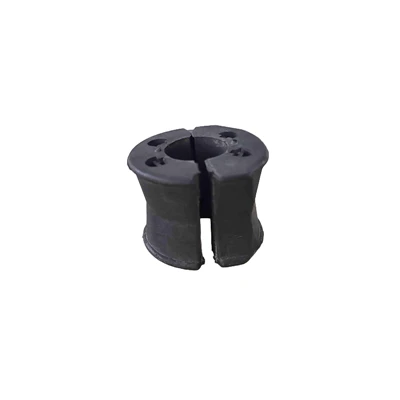
If you’re in the market for rubber seals for low-pressure applications, I’d love to have a chat with you. I’ve got a wide range of rubber seals to choose from, and I can help you find the right one for your specific needs. Whether you’re working on a small project or a large industrial application, I’m here to provide you with the best quality rubber seals and excellent customer service. So, don’t hesitate to reach out and let’s start a conversation about your rubber seal requirements.
Rubber End Gasket References:
- "Handbook of Elastomers" by I. I. Rubin
- "Sealing Technology Handbook" by John H. Bickford
Anhui Anling Rubber & Plastic Co., Ltd.
We are one of the most professional rubber seals manufacturers and suppliers in China, featured by quality products and good service. Please rest assured to wholesale bulk rubber seals in stock here and get quotation from our factory. We also accept customized orders.
Address: 3.9-Square-Kilometer Industrial Park in the Development Zone, Anqing City, Anhui Province
E-mail: anhuianling@126.com
WebSite: https://www.anhuianling.com/
