If you’ve ever waited for an SJEC elevator, you might have noticed how smooth it glides from floor to floor, no jerks, no weird squeaks. As someone who’s supplied SJEC-specific elevator parts for over 8 years, I can tell you that part of that reliability comes from the specific components built or specified for SJEC lifts—they’re not one-size-fits-all, which is why knowing the common ones is key if you’re a tech, a maintenance guy, or someone sourcing parts to keep these elevators running right. Elevator Parts for SJEC

Let’s start with the heart of the whole system: the traction machine. For most standard SJEC passenger and freight elevators, it’s a gearless or gear-driven traction motor designed specifically for their lift models. Here’s the thing about SJEC’s traction machines—they’re calibrated to work with the manufacturer’s own control software, so swapping in a generic part is a no-go most of the time. I’ve seen techs try to cut corners with off-brand traction motors for a mid-rise SJEC passenger lift, and within a week, the elevator was throwing error codes it never had before. Common wear items on these? The traction sheave, the grooved wheel that grips the steel cables. Over time, those grooves wear down from constant friction, and if they get too shallow, the cables slip. That’s not just a nuisance—it’s a safety issue. We replace a ton of SJEC-specific traction sheaves for mid and high-rise buildings, and it’s always better to get the exact part than to guess at size or groove depth.
Next up, the door system. Elevator doors are the most-used part of any lift, right? They open and close dozens of times a day, so they take a beating. SJEC’s door systems have their own unique parts, not just standard ones off the shelf. The door operator controller is a big one—this tiny box tells the motor when to speed up, slow down, when to hold open for a disabled passenger, when to stop if something’s in the way. I get calls all the time from maintenance guys who’ve tried to use a generic door controller for an SJEC hospital elevator, and it can’t sync with the door safety sensors or the main SJEC controller. Then there’s the door hanger rollers. These little plastic or metal rollers ride along the track at the top of the door frame. If they go bad, the doors squeal, drag, or even get stuck mid-open. We stock SJEC-specific hanger rollers for all their common models, and trust me, that’s one part you don’t want to wait for—if a door gets stuck on a Saturday, the building manager isn’t happy. Also, don’t sleep on the door safety edges. Those flexible rubber strips along the bottom of the door that reverse it if they touch something? SJEC uses a specific type that’s pressure-sensitive, and generic edges don’t trigger the sensor at the right amount of pressure. We’ve had to rush-ship these to a bunch of places after a generic edge failed a safety inspection.
Then there’s the control panel and related electronics. This is the brain of the elevator, and SJEC’s control systems are proprietary, mostly. The main control board is the big one— it handles everything: calls from each floor, speed adjustments, fire mode, power outages, even syncing with the traction machine and door systems. I’ve worked with an SJEC technician who once tried to reflash a third-party firmware on a control board to fix an error, and it fried the board in 10 minutes. Oops. We also supply the floor indicators for SJEC elevators. These aren’t just any lit numbers—they have to sync with the main control board to show the correct floor, even during power outages when the emergency light kicks in. And for newer SJEC models, there are the push buttons inside the cab and on each floor. They’re not just plastic buttons; they have a built-in switch that talks to the control board, so again, generic buttons might not work right. I once got a frantic call from a coffee shop with an SJEC freight elevator—all the floor buttons on the ground floor died. We sent over the exact SJEC buttons, and the tech swapped them in in 10 minutes, no issues. Generic ones would’ve needed extra wiring and programming.
Now the suspension system, which is the cables and related parts. SJEC elevators use steel hoist ropes, obviously, but they also have specific rope clips and rope tensioners. Tension is super important here—if one rope is tighter than the others, the elevator can tilt, which causes uneven wear on the traction sheave and doors. The tensioners SJEC uses are calibrated to their specific rope lengths, so generic tensioners don’t give the right adjustment. I’ve seen maintenance guys use a random tensioner and end up with an elevator that lurches every time it passes the mid-floor. Also, there are the compensating chains (or ropes) for taller elevators. These hang below the cab and the counterweight to balance the weight of the hoist ropes as the cab moves up and down. SJEC’s compensating parts are sized for their lift height, so replacing them with a too-short or too-long part throws off the balance.
Safety parts, let’s not forget those. Elevators have to be safe, and SJEC has specific safety components that aren’t interchangeable. The governor system is a big one—this is the part that detects if the elevator is moving too fast and triggers the safety brakes to stop the cab. SJEC’s governors are matched to their elevator speed and load capacity, so if you swap one for a generic governor, it might not engage when it needs to. We also supply the safety switches, like the limit switches that keep the elevator from going past the top or bottom floor. If a limit switch fails, the elevator can overtravel, which is a huge safety risk. And for hydraulics (wait, some SJEC elevators are hydraulic too, right? I’ve seen them for low-rise buildings), there’s the hydraulic cylinder and the relief valve. Those have to be SJEC-specific to handle the load of the lift.
Wait, I should also mention something people might not think about: the cab components. The cab isn’t just a box with seats and buttons. SJEC’s cabs use specific parts like the cab door skirting, the light fixtures, and even the emergency intercom. If you need to replace a damaged skirting panel, it’s not a standard size—SJEC’s cabs have their own dimensions, so generic skirting won’t fit. And the emergency intercom? It’s tied to the elevator’s control system, so a generic intercom might not connect to the building’s security or 911 correctly. I once helped an office building replace a broken SJEC cab light—generic lights fit physically but wouldn’t sync with the cab’s motion sensor, so they stayed on all the time. Swapping in the exact SJEC part fixed it instantly.
A lot of people ask me why you can’t just use generic parts for SJEC elevators. The answer is that SJEC designs their entire lift system to work together, from the traction machine to the door operator to the control board. They test each component to make sure everything syncs, so even a small generic part can throw off the whole system. I’ve been in this business long enough to see the mistakes—buildings that tried to save a few bucks on generic parts ended up with more downtime, more repair bills, and even failed safety inspections.
Now, if you’re someone who works on SJEC elevators—whether you’re a maintenance tech, a building manager, or a parts buyer—chances are you’ve dealt with parts shortages or parts that don’t fit right. That’s why we specialize in common SJEC elevator parts, the stuff that wears out regularly or breaks unexpectedly. We stock the traction sheaves, door operators, control boards, tensioners, safety switches, and cab components for all the most popular SJEC models, so you don’t have to wait weeks for custom orders.
If you’re tired of dealing with parts that don’t fit or cause more problems than they solve, hit us up. We know SJEC elevators inside and out, we stock the parts you need when you need them, and we can help you figure out exactly what part you need if you’re not sure. Don’t waste time and money on generic parts—get the right SJEC-specific parts from someone who actually works with these lifts every day.
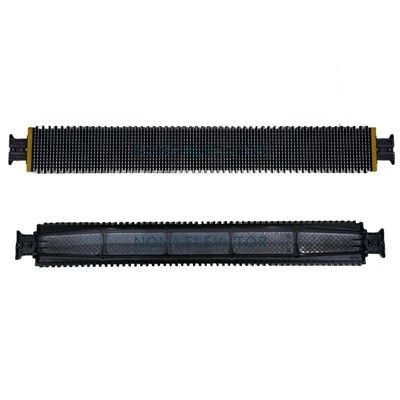
If you want to keep your SJEC elevator running smoothly, the right parts are non-negotiable. Don’t cut corners here—your maintenance team will thank you, your building occupants will thank you, and you’ll avoid all that headache of error codes and stuck doors.
General Elevator Parts References: Elevator World. Common Proprietary Components in SJEC Lift Systems. 2022; SJEC Official Maintenance Manuals for Mid-Rise Passenger Elevators Model Series 300; National Elevator Industry, Inc. Guidelines for Sourcing OEM-Specific Elevator Parts. 2021.
Shaanxi Nona Elevator Parts Co., Ltd.
As one of the leading elevator parts for sjec manufacturers and suppliers in China, we warmly welcome you to wholesale bulk elevator parts for sjec in stock here from our factory. All elevator parts are with high quality and competitive price. For pricelist, contact us now.
Address: No.1502 Ronghao Building, Xi’an City, Shaanxi Province, China
E-mail: candice@nonaelevator.com
WebSite: https://www.nonaelevatorparts.com/
