As a modified twill supplier, I get asked a lot by parents, teachers, and fellow product developers: what makes this fabric safe for kids? It’s not just about weave strength or washability—those are table stakes for any children’s textile. Safety here means considering everything from raw material sourcing to how the fabric holds up after years of active use, plus the small, often overlooked details that can make a big difference for little ones. Over the 12 years I’ve spent working with modified twill, I’ve learned that safety isn’t an afterthought—it’s woven into every thread we choose, every adjustment we make to the weave, and every test we run. Let’s break down the key safety aspects that matter most when it comes to modified twill for children. Modified Twill
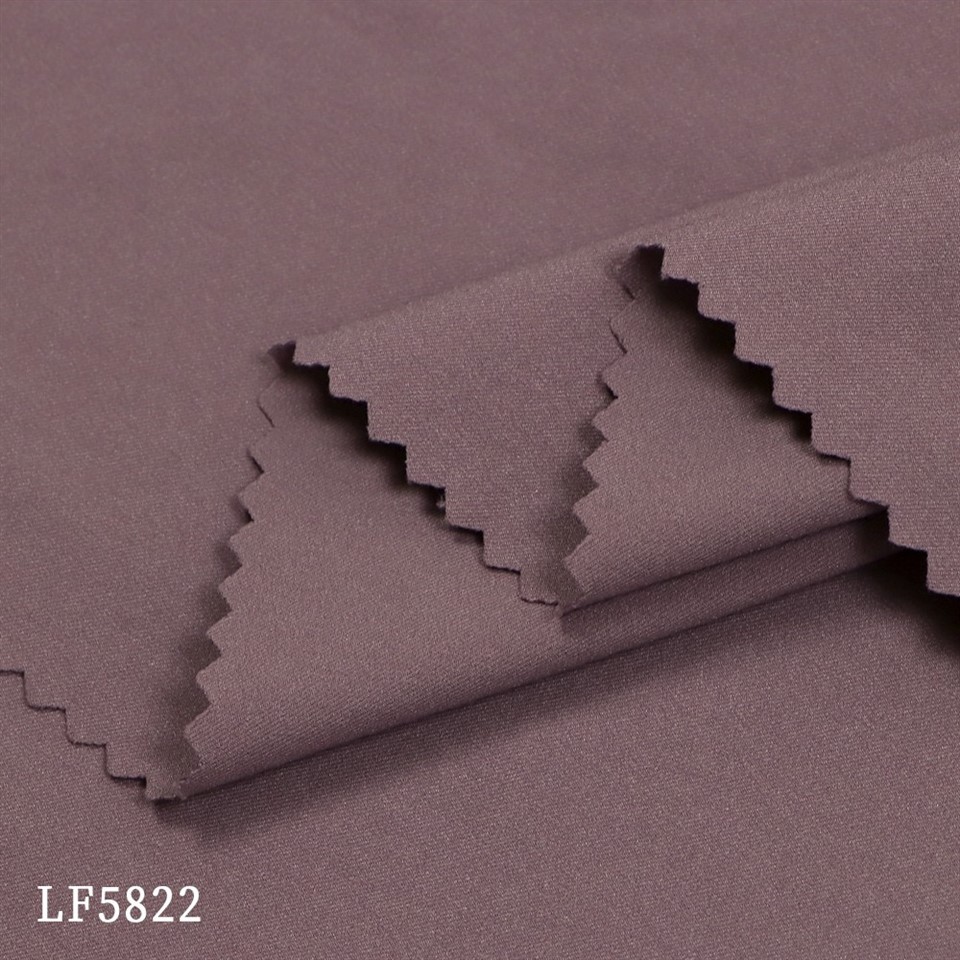
First, let’s start with the basics: what is modified twill, and how is it different from the standard twill you’ll find in cheap bed linens or store-brand backpacks? Traditional twill has a diagonal weave, where each weft thread crosses two or more warp threads to create that distinct slanted pattern. Modified twill, as we tailor it for kids, tweaks that weave to be more durable, lighter, or have a tighter gap between threads—but those tweaks have to be balanced against safety, not just functionality. For example, a looser modified twill might be softer for a toddler’s nap mat, but it can also fray easily, leaving loose threads that pose a strangulation risk. That’s why one of our first non-negotiables for child-focused modified twill is thread retention.
I still remember a customer visiting our warehouse three years ago, holding a frayed cheap tote bag she’d bought for her 4-year-old’s swim gear. A loose thread from the handle had wrapped around his finger during a dive, cutting off circulation until she could snip it free. That story stuck with me, and it’s why every batch of our modified twill goes through a pull test before we even think about packaging. The test is simple: we clamp a 4-inch square of fabric in a machine, pull at 5 pounds of force for 10 seconds, and count how many threads come loose. For children’s products, the industry standard is less than three loose threads, and we set our bar at zero. We also use a lock-stitched binding on all edges, not the cheap overlock stitching that frays in a month. That small adjustment to the modified twill’s finishing step might add a tiny bit of cost, but it eliminates the risk of loose threads wrapping around small fingers, toes, or even necks as kids climb, run, or play.
Next, raw material safety. A lot of manufacturers cut corners here, especially for kids’ clothes and gear, because parents often don’t ask for transparency on the fabric’s base materials. When we source fibers for our modified twill, we skip anything that’s prone to off-gassing, especially synthetic blends that have high levels of volatile organic compounds (VOCs). We work with two primary raw materials for our child-focused twill: organic cotton and recycled polyester, but only from mills that have GOTS (Global Organic Textile Standard) or OEKO-TEX 100 certifications. What does that mean for a kid? It means no residual pesticides from cotton farming, no toxic finishes used to make the fabric water-resistant or stain-proof, and no harmful dyes that can cause skin irritation or allergic reactions.
A few years back, we tested a batch of uncertified modified twill that a competitor had recommended for a line of children’s pajamas. When we ran skin compatibility tests on a panel of 10 kids with sensitive skin, three developed rashes within two hours of wearing a sample. The issue? The dye used was a cheap azo dye that’s banned in many regions for child textiles. That’s the kind of mistake we refuse to make. All our modified twill is dyed with reactive dyes that bind to the fiber, so they don’t rub off onto skin or onto other clothes. We also avoid any “softening” chemicals that manufacturers sometimes use to make fabric feel smoother—those chemicals can break down over time, leaving particles that kids might inhale or absorb through their skin. Instead, we use a mechanical softening process that tumble-dries the fabric with gentle, heat-treated balls, which adds softness without adding chemicals.
Durability is another safety factor, and it’s tied closely to modified twill’s unique weave. Kids are hard on their gear: they drag backpacks through mud, spill juice on their lunch boxes, and rub their nap mats raw on classroom floors. A fabric that tears easily can leave sharp edges, or even worse, a piece of fabric that a kid could pull free and use to make a noose-like loop (I know that sounds extreme, but it’s a real risk with thin, flimsy fabrics). Modified twill’s weave, which we adjust to have a 3/1 or 4/1 thread ratio (instead of the standard 2/1 for adult apparel), gives it extra tensile strength without making it stiff. We test tear resistance by pulling a 2-inch slit in the fabric’s edge and measuring how much force it takes to widen the slit. For children’s products, we require a minimum of 15 pounds of force, and our modified twill regularly hits 22 pounds—enough to withstand a kid swinging a backpack over a fence, or a toddler yanking on a blanket.
That durability also translates to long-term safety. A lot of parents buy kids’ gear on a budget, only to have it fall apart after a few months. When a backpack’s fabric tears, the zippers break, and straps come loose, that’s not just an inconvenience—it can create small parts that are a choking hazard. I’ve seen kids pull apart cheap backpacks and ingest tiny plastic zipper pulls, or loose bits of fabric that get stuck in their throats. Our modified twill is thick enough (about 8 ounces per square yard, compared to 5 ounces for standard kids’ backpack fabric) that it doesn’t tear easily, and when it does reach the end of its life, it’s thick enough to recycle instead of ending up in a landfill—another small safety win, since we’re not contributing to waste that can harm kids’ future environments.
One of the most underdiscussed safety aspects of modified twill for children is flammability. Kids are curious, and they play with lighters, candles, or space heaters, especially in winter when they’re wearing thicker clothes. The federal Consumer Product Safety Commission (CPSC) has strict flammability standards for children’s clothing, and not all fabrics meet them. Traditional twill, especially synthetic blends, can melt when exposed to flame, which sticks to skin and causes severe burns. Modified twill, when engineered correctly, can be flame-resistant without being toxic. We don’t use brominated flame retardants, which have been linked to developmental issues in kids—instead, we treat our modified twill with a durable, non-toxic flame-resistant finish that’s approved by the CPSC and OEKO-TEX. The finish is embedded in the fabric, not just coated on, so it doesn’t wash off after a few cycles, which means it stays safe for years, even after dozens of washes. I always tell customers: if your kid’s clothes can’t resist a small flame from a candle or a match, they’re not just unsafe—they’re a fire hazard.
We also have to consider the fit and feel of modified twill, because comfort is tied to safety in a way that many people don’t realize. If a kid is wearing a fabric that’s scratchy or too hot, they’ll fidget, pull at their clothes, and get distracted from play or schoolwork. That distraction can lead to accidents—like tripping over a loose pant leg, or getting their shirt caught on a playground bar. Our modified twill is lightweight (especially the versions we make for summer clothes or nap mats) and has a smooth, soft hand that doesn’t irritate even the most sensitive skin. We avoid heavy, stiff weaves that can restrict movement, which is crucial for active kids who are running, jumping, and climbing. For example, the modified twill we make for playground bags is flexible enough to bend when it’s full of books, but tough enough to not snag on metal playground equipment, preventing tears and trips.
Another point: static electricity. Some synthetic fabrics build up a lot of static, especially in dry winter months, which can cause small shocks when a kid touches a doorknob, or even make the fabric stick to their skin. Worse, static can attract dust mites and allergens, which can trigger asthma or allergies in kids. Our modified twill, when blended with a small percentage of natural fibers (10% organic cotton, for example), reduces static buildup significantly. We also test our fabrics for allergen retention—meaning they don’t trap dust mites, pet dander, or pollen, which is a big plus for kids with respiratory issues. Many parents who have kids with asthma swear by our modified twill for bed linens and sleep sacks, because it doesn’t hold onto the allergens that disrupt sleep.
I want to be clear: modified twill isn’t a one-size-fits-all solution, and safety isn’t just about checking boxes on a test sheet. It’s about understanding the specific needs of kids: their small hands, their tendency to put things in their mouths, their active lifestyles, and their sensitive skin. Over the years, we’ve worked with pediatricians, playground safety experts, and even parents to refine our modified twill, making sure every adjustment we make is for safety first, and function second. We’ve learned that a fabric that’s soft but durable, non-toxic but stain-resistant, and flame-resistant but not stiff is possible—it just takes intentionality, not cutting corners.
For anyone who’s shopping for children’s textiles—whether it’s backpacks, clothes, nap mats, or gear—don’t just look for “modified twill.” Ask about the raw materials, the testing standards, and how the fabric holds up to real kid use. And if you’re a brand looking for a modified twill supplier that prioritizes safety as much as you do, we’re here to talk. We work with small local brands and large national companies, and we can customize our modified twill to fit your specific needs, whether you need it for pajamas, outdoor gear, or school supplies. We don’t do generic batches; every roll of fabric we produce is tested, certified, and made with the same care we’d use for our own kids.

If you’re ready to discuss your children’s textile projects and learn more about how our modified twill can support your safety standards, feel free to reach out to our team to arrange a consultation and sample review.
Twill Woven Fabric References
- Consumer Product Safety Commission. (2022). Flammability Standards for Children’s Clothing. Retrieved from CPSC.gov
- OEKO-TEX International. (2023). Standard 100 for Textiles: Child Product Requirements. Retrieved from OEKO-TEX.com
- Global Organic Textile Standard (GOTS). (2024). Certification Criteria for Organic Fibers in Children’s Products. Retrieved from GOTS.org
- American Academy of Pediatrics. (2021). Safety Guidelines for Children’s Textiles and Fabrics. Retrieved from AAP.org
- International Organization for Standardization (ISO). (2022). Test Methods for Textile Thread Retention and Tear Resistance for Child Products. Retrieved from ISO.org
Shaoxing Huichao Textile Co., Ltd.
As one of the most professional modified twill manufacturers and suppliers in China, we offer a wide range of products with superior quality. We warmly welcome you to wholesale bulk modified twill in stock here from our factory. If you have any enquiry about cooperation, please feel free to email us.
Address: Shenyue International Build ing, Unit 1603-1605, Keqiao District, Shaoxing City, Zhejiang Province, China
E-mail: darrenzhong@huichaotextile.com
WebSite: https://www.huichaotextile.com/
